Sex is one of the most universal human experiences, yet it remains one of the conversations many people struggle to have openly.
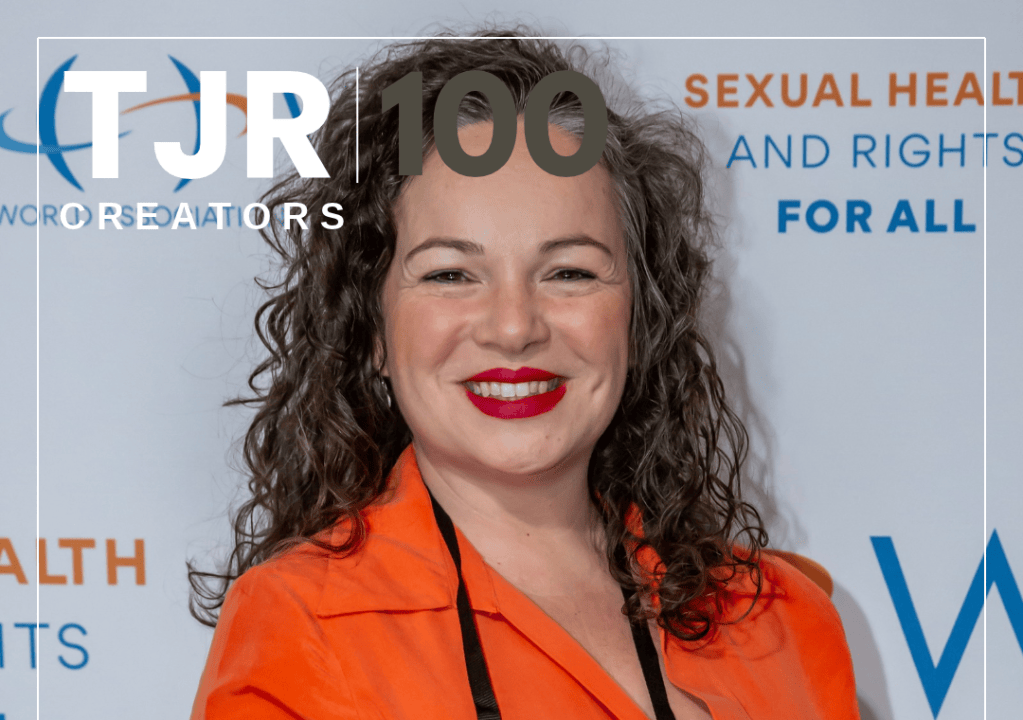
In this TJR 100 Creators feature, we speak to Lisa Welsh about the personal experiences that led her into sex education, the importance of understanding pleasure, and why intimacy should not come with an expiry date.
An Accredited Sex Educator and Certified Sex Coach, Welsh has built a career around helping people navigate sexuality and intimacy, with a particular focus on men over 50 whose sex lives have stalled, often after years of silence in long-term relationships.
A regular guest expert on Radio 702 and a contributor through her own platform, lisawelsh.com, she believes that pleasure, intimacy and sexual fulfilment should not have an expiry date.
For someone encountering your work for the first time, who is Lisa Welsh outside of the sex educator and sex coach we see publicly?
I’m a mum of three sons, and I moved to South Africa from England in 2014. I live on the KZN South Coast with my husband, Gavin, and together we run a YouTube channel called Run Wild Adventures. It’s all road trips and camping, in some of the more remote parts of the country, like the Richtersveld and Namaqualand.
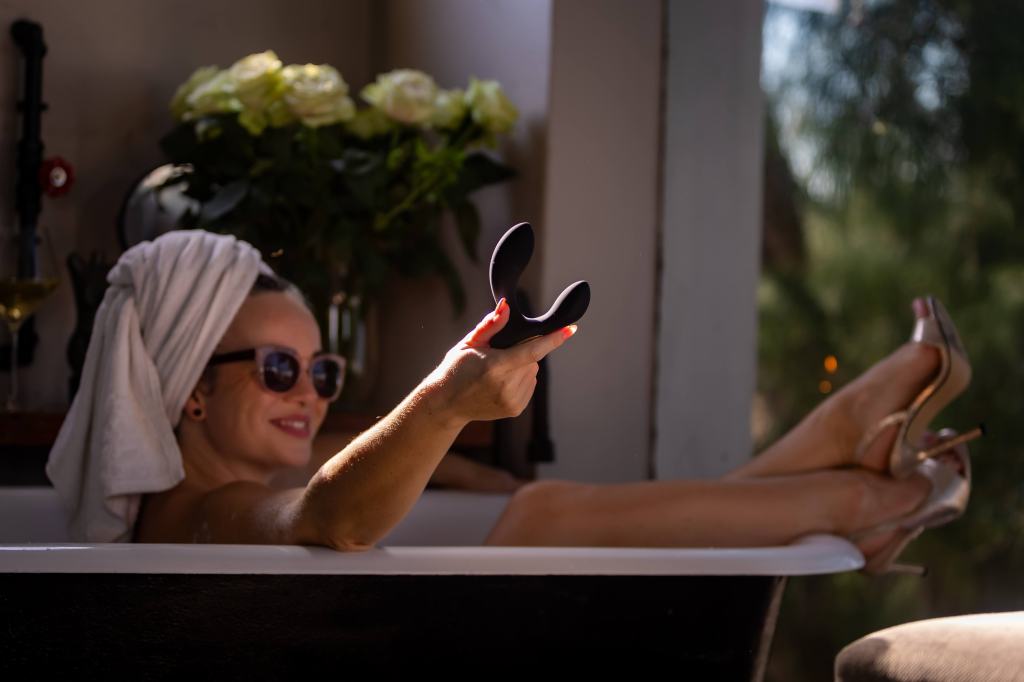
When I’m not working, you’ll usually find me on the beach or practising the violin, which I picked up again after a 30-year break. There’s almost always a scented candle burning on my desk while I write.
So I’m very normal, really, and I think that’s part of why people feel safe talking to me. I’ve had my own struggles with sex and shame, and I got here by getting curious and learning everything I could.
You have spent years creating space for conversations around sexuality, pleasure and intimacy. What initially drew you to this field?
I didn’t plan any of this. I got into this work because I made mistakes in my first sexual relationship, and I faked it for years because that felt easier than having the conversation.
What changed things was discovering, on my own, how much pleasure was available to me. That might sound like a small thing, but getting back into my own body changed how I showed up in every part of my life, not just in bed.
That set me on a path of learning that started in 2012. I began sharing what was working for me on a Facebook page called Happiness for Her. Watching women give themselves permission to enjoy pleasure gave me more joy than anything I’d done in my career, so I made it my work.
I became an Accredited Sex Educator through My Sexual Health, then spent 18 months training at Sex Coach U to become a Certified Sex Coach. These days I work mostly with men over 50, many of them in marriages where sex has pretty much stopped. It’s a lonely place to be, and many of them have never talked about it with anyone before.
Why do you think we still struggle to have honest, informed conversations about sex?
Because most of us were never given the words. When I was at school, sex education was mostly a warning about pregnancy and disease. Nobody mentioned pleasure, desire or how to ask for what you want.
I was put on the pill before I was a teenager and told not to tell anyone, so I learnt very early that anything to do with my body was a secret. A lot of people carry some version of that. Shame does the rest. If you believe your questions are embarrassing, you won’t raise them, even with the person you share a bed with.
So people fill the gaps with rumours, magazines and porn. The funny thing is that nearly everyone has the same worries. The men I work with often think they’re the only one whose erections have changed or whose sex life has stalled. They’re far from alone, and once they know that, talking gets much easier.
Social media has made information about sex and relationships more accessible, but it has also created room for misinformation and unrealistic expectations. How do you navigate that space as an educator?
Carefully, and with evidence-based facts leading the way. Social media rewards whatever is quick and shocking, and sex is an easy target. There’s a lot of “one trick to last longer” content out there, and plenty of men feel worse after watching it.
So most of my work is long-form: my blog at lisawelsh.com, my newsletter and guided audio. When I make a claim, I link to the research behind it, and when something is outside my lane, I say so.
I’m not a doctor. If a man tells me his erections have changed, my first suggestion is a check-up, because that can be an early warning sign of heart disease. I’m lucky to work alongside doctors and sexologists who refer people to me, and I refer back to them.
Whether I’m on Radio 702 or speaking on a panel for Durex, I’m also watching for the comparison trap. Porn and social media make people feel abnormal, so a big part of my job is showing them how normal they really are.
Pleasure is often treated as an uncomfortable or even frivolous subject. Why is it important to include pleasure in the sexual health conversation?
Because pleasure is the reason most people have sex. If we only ever talk about risk, we leave out the part people actually care about, and they go looking for answers somewhere else.
Pleasure isn’t a fringe idea, either. The World Health Organization’s definition of sexual health includes “the possibility of having pleasurable and safe sexual experiences, free of coercion, discrimination and violence”. The World Association for Sexual Health went further with its Declaration on Sexual Pleasure, first proclaimed in 2019 and ratified at the 2021 World Congress of Sexual Health, hosted by Cape Town.
I see the practical side every week. A man who understands his own arousal is usually less anxious about performance and better at telling his partner what he likes. A woman who knows her own body is far less likely to fake it, and I speak from experience on that one. Pleasure is also a big part of why couples keep making time for sex after 20 or even 50 years together.
What are some of the most common misconceptions people bring into your consultations or educational spaces?
The biggest one is that it’s too late. Men in their fifties and sixties come to me convinced their sex life is over because their erections have changed or their bedroom has gone quiet. Bodies change, but the capacity for pleasure doesn’t disappear. For some men it improves, because they finally slow down and pay attention.
The second is that sex means penetration, and that it only counts if there’s an erection and an orgasm at the end. That belief causes more performance anxiety than anything else I see.
Then there’s desire. Lots of people believe that if their partner really wanted them, desire would arrive out of nowhere. For many people, especially in long relationships, desire is responsive. It shows up once things get started, not before, and knowing that takes a lot of the hurt out of mismatched desire.
And plenty of men feel guilty about self-pleasure, especially if they’re married. They don’t need to. It’s a healthy part of anyone’s sex life, and it keeps you connected to your own body.
What responsibility do you think content creators, influencers and public figures have when discussing sexuality with audiences that include young and impressionable people?
A big one. Young people will go looking for information about sex whatever we do, and many will have seen porn long before anyone has a proper conversation with them. So if you’re going to talk about sex in public, you need to get it right.
For me, that starts with accuracy and being open about where your information comes from. It means treating consent as an important starting place rather than an optional extra, and never selling shame or quick fixes. It also means being honest about what you’re qualified to talk about, and knowing who’s listening. My own work is written for adults, and I keep it that way.
Raising three sons, I’ve seen up close how little anyone actually tells boys about sex. When adults don’t start the conversation, young people learn from whoever is loudest online, and that’s not always someone who has their wellbeing at heart.

What is one conversation about sex that you wish more couples, particularly long-term partners, should have with each other?
I wish more couples would talk about what they want now, rather than what they wanted on their honeymoon or what they assume their partner wants after 25 years of guessing.
Bodies change over time, with erections, menopause, stress and tiredness all playing a part, but most couples never update the conversation. They keep doing the same thing, or they gradually stop trying, and both people end up feeling rejected.
One easy way in is a yes, no, maybe list. You each go through a list of sexual activities on your own, mark each one yes, no or maybe, then compare. It takes the pressure off saying things face to face, and couples are often surprised by how much they agree on.
And if sex has stopped altogether, talk about that too, kindly and without blame. In my experience the silence does more damage than the conversation ever would.
Quick-fire Qs
1. One sexual health myth you wish you could permanently retire?
That sex only counts if there’s penetration. There are so many ways to have great sex, and plenty of them don’t need an erection.
2. A conversation every couple should have?
Ask your partner what would make sex easier to say yes to. The answer is often something practical, like more sleep or a door that locks.
3. Something people should stop feeling embarrassed about?
Lube. Needing it doesn’t mean anything is wrong with you, and almost everything feels better with it.
4. Your biggest lesson about human intimacy?
That feeling wanted matters more than most people realise. Being desired is often what the men I work with miss most, even more than sex itself.
5. One thing you wish you had known ten years ago?
That men want these conversations just as much as women do. They just have far fewer places to have them.
Who do you want us to feature next? Nominate them here!





Leave a Reply