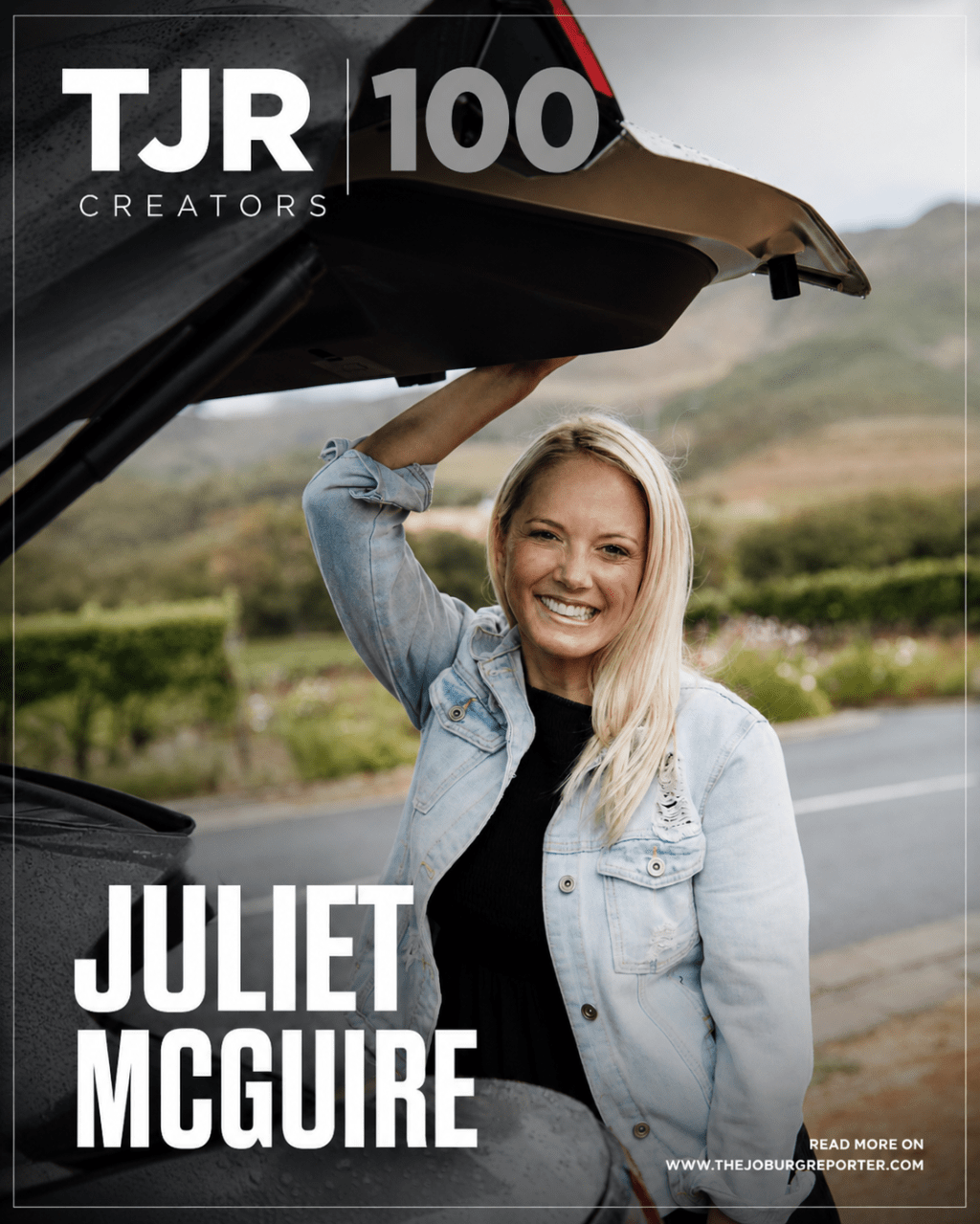
With nearly two decades of experience spanning journalism, television, digital media, and content creation, Juliet McGuire has built a reputation for delivering honest, consumer-focused automotive advice in an industry that has historically been dominated by men.
Today, through her YouTube channel, and industry contributions, she continues to help South Africans make informed motoring decisions while opening doors for a more diverse generation of automotive storytellers.
As part of The Joburg Reporter’s TJR100 Creators campaign, we had a chat with Juliet McGuire to discuss authenticity, representation, the evolution of automotive media, and the lessons she’s learned throughout her remarkable career.
The automotive industry has long been male-dominated. What challenges did you face when you started, and how have you seen the industry evolve for women over the past two decades?
It was very challenging in the beginning. I was genuinely one of only a handful of women in the industry, and for a long time I was often treated as a secretary, sexualised, patronised, or subjected to inappropriate comments. Fortunately, not everyone was like that. I had some incredible male colleagues and mentors who supported me and helped me grow.
While the industry has evolved and people are more accustomed to seeing women in automotive media, I don’t think we’re at a point where everything is equal. Women still have to work two or three times harder to prove themselves and earn the same level of respect and credibility. A young woman entering the industry today still faces challenges that her male counterparts may not.
Your audience trusts you for honest, no-fluff reviews. In an era of sponsored content, how have you maintained credibility while growing your platform?
For me, credibility comes down to authenticity. I’ve never shied away from telling the truth or being transparent. If content is sponsored, I make that clear.
Over the years, some manufacturers have removed me from launch events or vehicle fleets because they didn’t appreciate aspects of my reviews. However, I never made a fuss about it because it’s their choice. What I’ve always maintained is fairness and balance. I’m a trained journalist, and that means researching thoroughly and presenting an honest assessment.
My audience has always been my priority—not manufacturers or brands. If there’s something positive, I’ll say it. If there’s something negative, I’ll say that too. I think audiences recognise and appreciate that honesty.
How important is representation in automotive media, and what impact do you think seeing more women in motoring content has on audiences and the industry itself?
Representation is incredibly important. I try to help where I can, especially when it comes to supporting young black talent entering the industry.
For a long time, automotive media was very much a “pale, male” space. Seeing more women and people of colour represented in the industry is critical because audiences need to see themselves reflected in the content they consume.
The automotive buying market has changed dramatically. South Africa is diverse, and the people buying cars today come from a wide range of backgrounds. Representation helps make the industry more inclusive and relatable, and I believe it has a significant impact on both audiences and the industry itself.
You’ve successfully transitioned from traditional motoring journalism to becoming a leading digital creator. What lessons can creators learn from the foundations of journalism?
When I started, traditional media was very much built around print journalism and established structures. It taught me professionalism, credibility, process, and discipline.
Those foundations gave me everything I needed to eventually build my own brand. Without that experience, I don’t think I would have been able to create a platform that people trust.
My advice to creators is to focus on developing their skills first. For me, journalism came before cars. My qualification and training gave me a foundation that could apply to any industry. The cars came afterwards.
What has been the biggest difference between working in traditional media and building your own personal brand as a content creator?
Traditional media gave me structure, mentorship, professionalism, and credibility. It taught me how the industry works and helped me build a strong foundation.
Building my own brand has been very different because it requires you to take ownership of everything. However, I am incredibly grateful for the publications, mentors, and platforms that helped me along the way because they made it possible for me to transition into creating my own brand successfully.
Winning the 2024 DStv Content Creator Award in the Automotive category was a major milestone. What did that recognition mean to you?
Winning that award was incredibly special because I genuinely didn’t expect it.
The other nominees were producing fantastic content, and many of them were younger and far more familiar with the latest content trends than I was. Receiving that recognition felt like validation from both the industry and my peers.
I’ve always struggled with a degree of imposter syndrome, so winning the award helped me realise that perhaps I was making an impact and contributing something meaningful. It remains one of the proudest moments of my career.
Looking back on nearly 20 years in the industry, what achievement are you most proud of and why?
Winning the DStv Content Creator Award stands out as one of my proudest achievements because it represented recognition from both professionals and audiences who value authenticity and quality content.
More broadly, I am proud that I’ve been able to build a trusted reputation while staying true to my principles and putting my audience first.
What advice would you give to young women who want to build careers in automotive journalism, content creation, or the broader motoring industry?
Know your why.
A lot of people enter the industry because they love the idea of driving expensive cars or appearing glamorous online. If your motivation is centred on yourself, you’re doing it for the wrong reasons.
My goal has always been to help people make informed car-buying decisions and feel comfortable asking questions without being judged or patronised.
Beyond that, focus on building your skills. Hone your craft before worrying about the cars. Develop expertise, find your niche, and be prepared to work hard.
You also need a thick skin. Nobody owes you opportunities. Be professional, be persistent, work hard, and stay focused on your purpose.
Quick-Fire Questions
First car you ever owned?
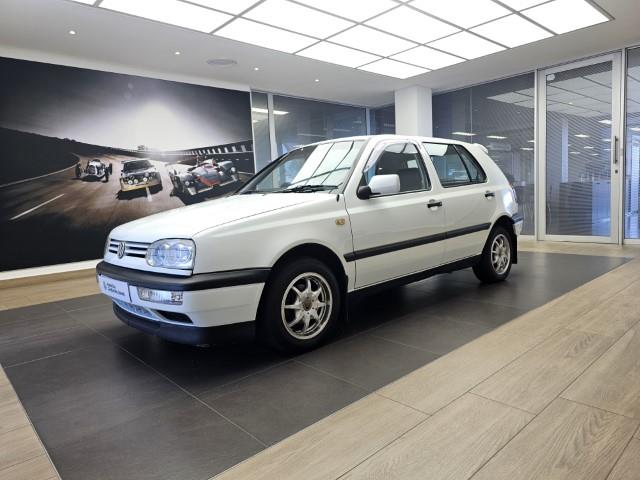
A Volkswagen Golf 3 GSX. It was one of my favourite cars and I absolutely loved it.
First financed car?
A Volkswagen Polo with the round headlights.
Dream car?
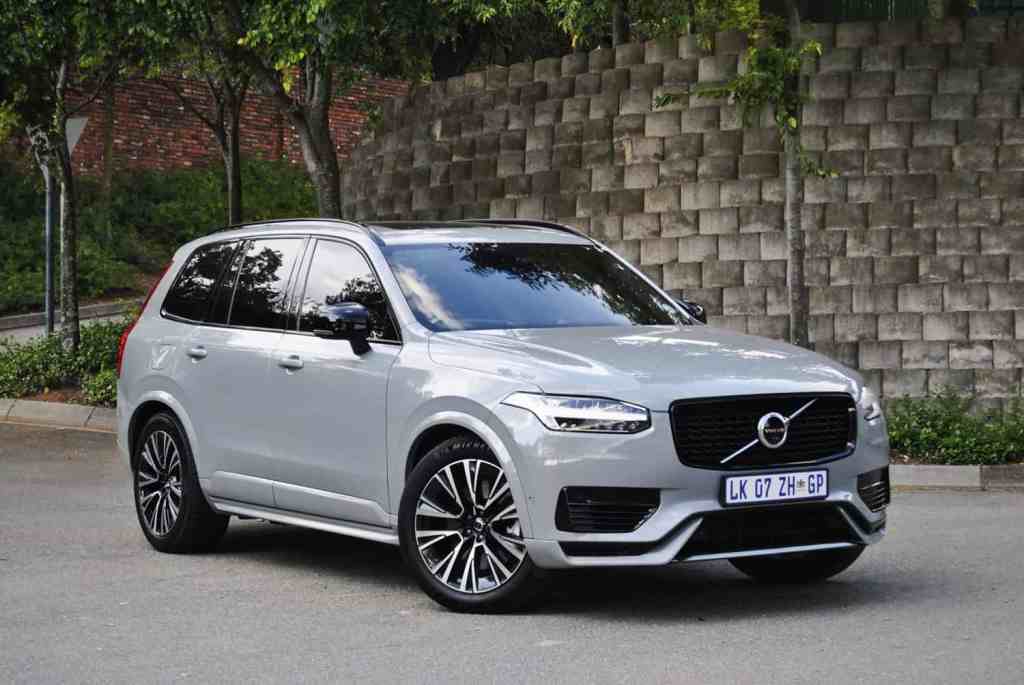
A Volvo XC90 or XC60. I love Volvo’s focus on safety, comfort, and understated luxury.
Favourite road trip route in South Africa?
The Garden Route.
Manual or automatic?
Automatic.
One woman in the industry who inspires you?
Siyanga Madikizela. She is Internal Communication Manager at Volkswagen Group Africa.
One piece of advice every first-time car buyer should know?
Never buy a car without test-driving it first, whether it’s new or pre-owned.
Juliet McGuire’s journey is a testament to the power of persistence, professionalism, and purpose. In an industry where credibility is earned over years rather than moments, she has built a trusted voice by staying true to her values, embracing change, and consistently putting her audience above all else.
Who do you want us to feature next? Nominate them here!


Leave a comment