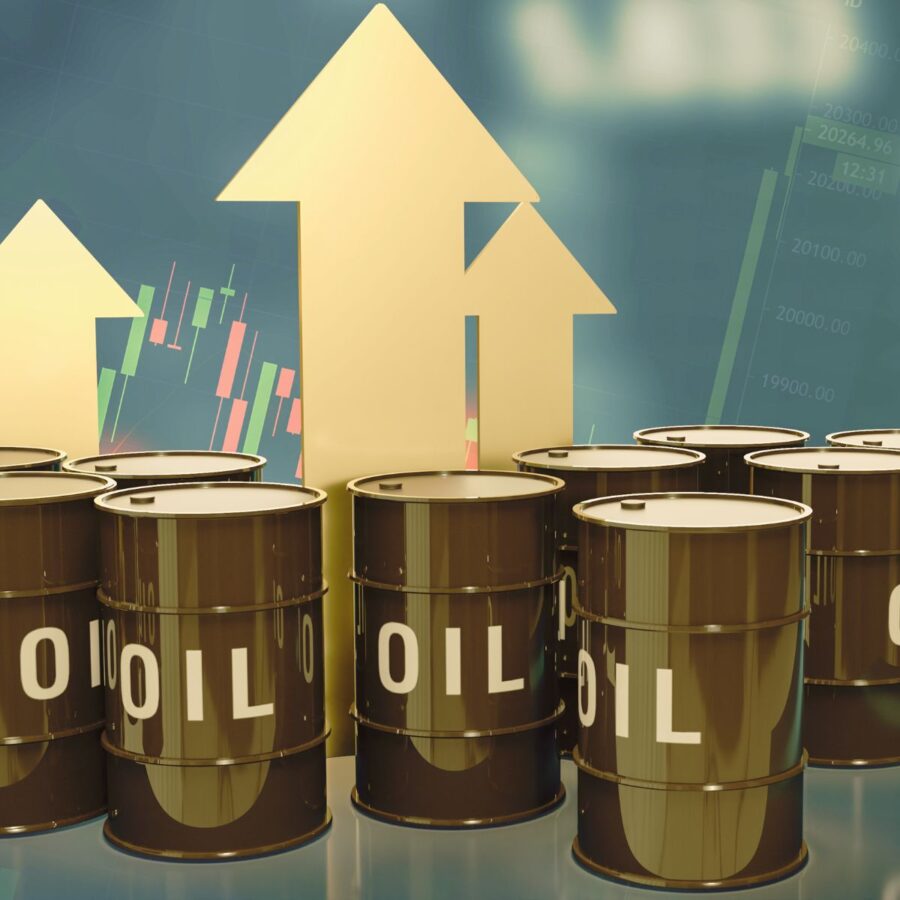
The extension of the temporary reduction in the general fuel levy to 2 – June – 2026 will assist in absorbing the impact on households and firms by provision of limited short-term relief from rising fuel prices following the Israel – USA war on Iran which begun on the 28 – February – 2026 and has caused supply shocks in the global energy market.
It’s important to remember that the levy absorbs the cost in part and not in full therefore, a burden to the consumer will still exist and it will be significant however, this might cause certain ignored challenges that might further harm households.
Businesses, formal and informal, may exploit this sudden surge and uncertainty in fuel prices caused by the shock by engaging in ‘price gouging’, that is, an increase in prices above what is warranted by the fuel cost increases, for such price increases must be proportional and have a certain level of predictability.
Price gouging is common in unregulated and difficult to regulate markets such as the mini – bus taxi industry which most South Africans, especially poor South Africans are reliant on, and the production, distribution and retail food and clothing markets. South African case precedent on price gouging sets clear standards for businesses facing these types of cost increases, namely:
- Businesses may not increase prices in anticipation of future fuel cost increases; they may only increase prices once they experience actual fuel cost increases.
- Businesses that experience fuel cost increases may only increase their prices in proportion to the actual fuel cost increases they experience.
- In effect, these two conditions mean that product or service margins after the surge in fuel prices should be no higher than the margins prior to the fuel price increase.
- Furthermore, once fuel costs decline, product or service prices should decline immediately.
Another issue of which South Africans must be aware of are sticky prices – those are prices which are resistant to changing immediately after prices and price pressures have eased.
Again, this is something common in the taxi industry, which, doesn’t ordinarily adjust fares downward even after price pressures such as energy supply shocks have stabilised and oil prices have rebounded to levels existing before the shocks – milking higher profits at the expense of poor commuters.
A positive relationship exists between an increase in transport cost and an increase in discouragement for labour seeking, this contributing to the bracket of “discouraged job seekers” as estimated in the Quarterly Labour Force Survey (‘QLFS’) by the StatSA.
Now, gouging and sticky prices in the transport sector stand to harm the poor and unemployed more dynamically and will definitely lead to strain(stress) and further poverty and unemployment. Gauging, above market Increases, increase the burden on the “working poor” as transport cost erodes disposable household income, income which unfortunately isn’t even correlated with normal fuel price increases coming with the war supply shock, worse if those prices are manipulated.
South Africa’s has untransformed spatial plans – these spatial plans are intrinsically linked to transport expenditure, an economic cost to struggling households as they are still forced to travel significant distances for either employment or purchase of goods or services.
Doubled edged sword, increase in transportation for the individual and subsequent increase for the goods consumed, something the temporary fuel levy cannot completely absorb and as such increase vulnerability of already vulnerable households.
The Medium-Term Development Plan 2024 – 2019 STRATEGIC PRIORITY 2: REDUCE POVERTY AND TACKLE THE HIGH COST OF LIVING; Outcome: Reduced poverty and improved livelihoods; Strategic Intervention: Undertake a comprehensive review of administered prices (including the fuel price formula) to identify areas where prices can be reduced, current developments regarding the temporary reduction in levies may accelerate the implementation of this strategic outcome, which if done successfully may ease pressure on the vulnerable as central banks, the SARB, often raises the interest rate as a response volatile oil price shocks tin an attempt to manage headline inflationary pressures, as energy costs feed into overall consumer price indexes
With the current shocks not demonstrating an end in sight, its important to be vigilant against those that may want to exploit the situation for self-gain through price gauging; the impact of that on the working class; the untransformed spatial framework that keeps households poor and has caused sub – cultural adaptions; the slow pace in reforming administrated prices which causes general strain in poor families that at times lead to illegal coping mechanisms; and the further suppression through monetary policy of the poor. All these a chain reaction from oil prices in an energy intensive economy.





Leave a comment