As National Women’s Month draws to a close, the conversation around women’s empowerment must move beyond recognition and celebration towards something more tangible: access, opportunity and leadership.
Africa’s energy future will not be built by technology and investment alone. It will also be shaped by who gets a seat at the table, whose ideas are heard, who is given opportunities to lead, and who is empowered to turn those opportunities into action.
For Liz Hart, Managing Director of the Africa Energy Indaba, creating that access has become an important part of the work.
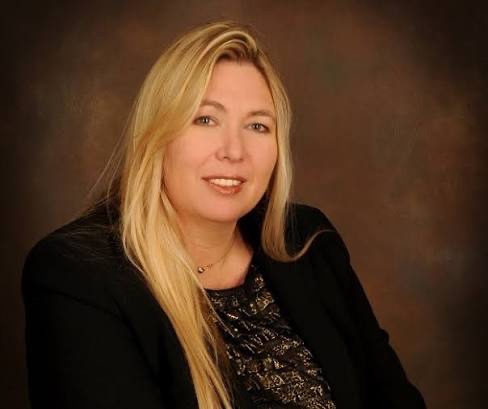
Hart has spent years building the Africa Energy Indaba into a platform where governments, utilities, investors, developers, financiers and industry leaders come together to debate the continent’s most pressing energy challenges.
But alongside those high-level conversations, she has consistently championed another priority: creating meaningful space for women to participate, connect and lead.
That commitment is not new.
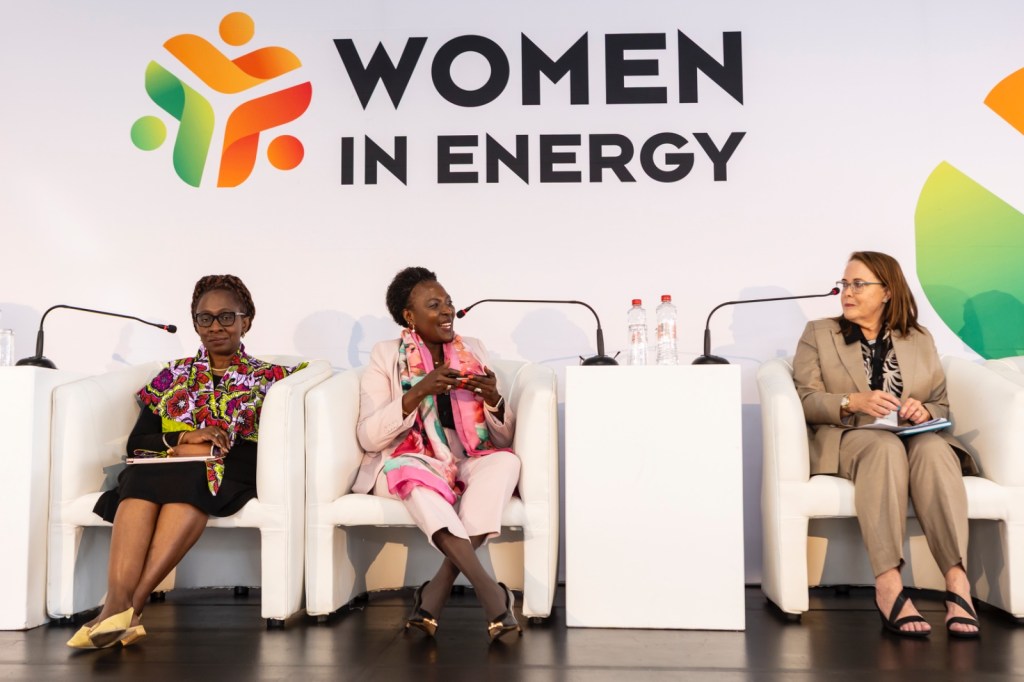
The Africa Energy Indaba was among the first energy events on the continent to establish a dedicated platform focused on women in the sector. Its Women in Energy initiative was developed specifically to promote the advancement and empowerment of women across Africa’s energy industry.
Today, that vision continues through the Women in Energy Forum, an official side event of the Africa Energy Indaba. The 2027 forum, scheduled for 4 March at the Cape Town International Convention Centre, is focused on breaking barriers and strengthening women’s role in shaping Africa’s energy future.
Creating space is more than putting women on a programme
For Hart, inclusion cannot simply mean adding women to a speaker list.
It is about creating environments where women can build relationships, exchange knowledge, access decision-makers, find mentors, secure opportunities and develop the confidence to lead.
That distinction matters.
The energy sector remains one of the most strategically important industries on the continent. Decisions made today around electricity, renewable energy, gas, infrastructure, financing, energy access and the transition to cleaner energy will influence Africa’s economic development for decades.
Women therefore cannot simply be participants in those conversations. They need to be among the people leading them.
The Women in Energy Forum reflects this approach by bringing together established leaders, policymakers and emerging professionals for dialogue, networking, mentorship and collaboration. Its focus extends beyond representation to leadership, innovation, investment and decision-making.
As Hart has previously stated, the forum is intended to ensure women have a seat at the table in shaping Africa’s energy solutions, recognising that inclusive leadership is essential to a sustainable energy future.
From access to influence
There is an important difference between being invited into a room and having the influence to shape what happens inside it.
Hart’s contribution lies in helping bridge that gap.
Through the Africa Energy Indaba, women are not only given a platform to speak about gender. They are increasingly being positioned within the broader energy conversation discussing investment, innovation, policy, infrastructure, sustainability and the future of Africa’s energy systems.
This is significant because the most effective gender transformation happens when women are recognised not simply as beneficiaries of change, but as experts, entrepreneurs, executives, policymakers, investors and decision-makers.
The 2026 Women in Energy Forum, for example, brought together women leaders and stakeholders to examine how women can be better empowered across the energy sector, with participation from senior government leadership including former South Africa’s Deputy Minister of Electricity and Energy, Samantha Graham-Maré.
Building networks that outlast the event
One of the most powerful forms of access is connection.
A conference may last a day or three days, but the relationships created within it can open doors for years.
That is why platforms such as the Women in Energy Forum are important. They create opportunities for experienced leaders to share lessons with the next generation, for emerging professionals to meet potential mentors, and for women working in different parts of the energy value chain to discover opportunities for collaboration.
The Africa Energy Indaba has also previously supported initiatives specifically designed to develop women leaders and build networks within the sector.
In this sense, Hart is not simply organising an event. She is helping to build an ecosystem of access.
Why this matters for Africa
Africa’s energy challenge is enormous.
Millions of people across the continent still need reliable and affordable energy, while countries simultaneously seek to expand renewable generation, modernise grids, attract investment, develop new energy industries and create jobs.
Solving these challenges requires the widest possible pool of talent.
Women bring perspectives, skills, experiences and leadership capabilities that are essential to that process. Excluding them whether through structural barriers, limited networks or a lack of access to leadership opportunities means Africa risks leaving valuable capacity on the sidelines.
Hart’s approach recognises that women’s advancement is not separate from Africa’s energy agenda. It is part of it.
The Africa Energy Indaba itself describes inclusive participation and skills development for women and youth as part of the broader energy transformation agenda.
Leadership that creates more leaders
Perhaps the most powerful aspect of Hart’s work is the ripple effect.
When one woman is given an opportunity, she can become the person who opens the door for another.
When a young professional meets a mentor, that relationship can influence an entire career.
When an emerging entrepreneur gets access to investors or decision-makers, it can translate into jobs, innovation and new businesses.
And when women become visible in positions of authority, they change perceptions about who belongs in the room.
This is how representation becomes transformation.
Hart’s own journey reflects the power of creating platforms. She conceptualised and launched the Africa Energy Indaba in 2009 and has grown it into a major African energy event, drawing together influential stakeholders from across the sector.
Now, through the continued development of Women in Energy, that platform is being used to create another legacy: a stronger pipeline of women ready to lead.
The future needs more than a seat at the table
Africa’s energy transition will demand bold ideas, strong leadership and collaboration across traditional boundaries.
It will also demand a new generation of women who are prepared not just to enter the energy sector, but to own businesses, lead organisations, influence policy, develop projects, attract capital and make decisions.
That future does not happen automatically.
Someone has to create the platforms.
Someone has to make the introductions.
Someone has to ask who is missing from the conversation.
And someone has to keep opening the door.
Through the Africa Energy Indaba and its Women in Energy platform, Liz Hart is demonstrating what that kind of leadership can look like.
Because creating access is not simply about making room for women today.
It is about ensuring that the women entering the room today become the leaders shaping Africa’s energy future tomorrow.




Leave a Reply