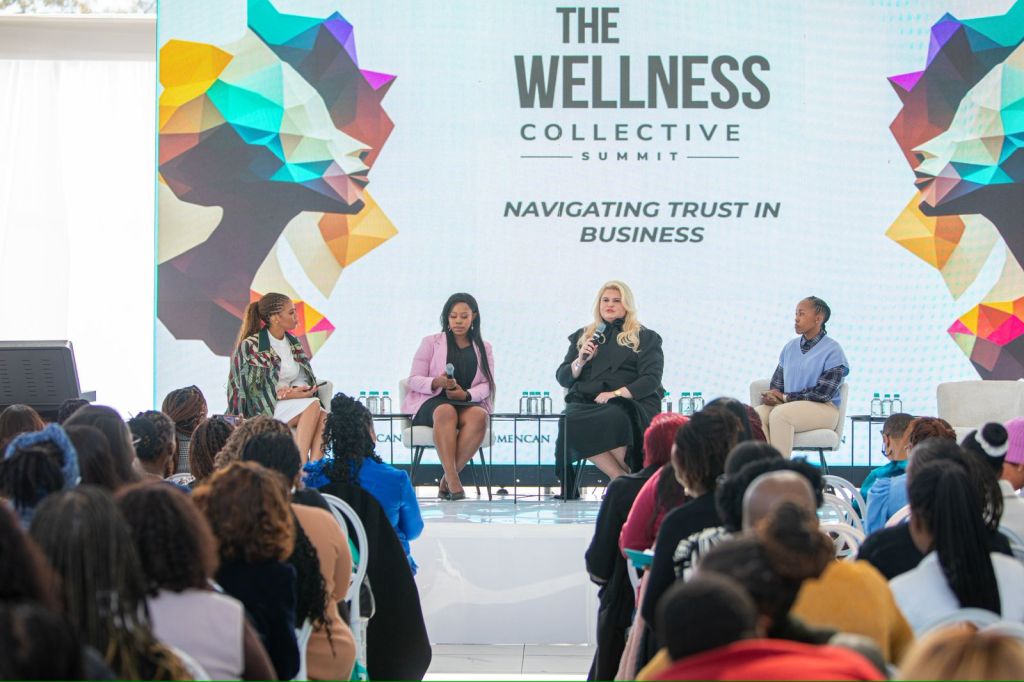
In a country wrestling with preventable health challenges from tobacco-related illnesses and alcohol abuse to unsafe cosmetics and the silent stigma of mental health South Africa’s latest Wellness Collective Summit did more than just talk. It signalled a long-overdue pivot: one that places science-led harm reduction at the heart of public health strategy.
Hosted by WomenCan on 5 August 2025 at Pere House, Johannesburg, the summit attracted over 250 attendees across sectors medical professionals, private industry, regulators, and policy architects all driven by a common purpose: to explore practical, evidence-based solutions to some of South Africa’s most pressing health risks.
The Rise of the Conscious Citizen
“There is a new generation of conscious citizens who are ready to take charge of their own health,” said Dr Pumela Gwengu.
Her words captured a shift already in motion—a wave of South Africans asking better questions and demanding better answers. The summit responded in kind, urging public health messaging and interventions grounded in science, not stigma.
Dr Gwengu’s call for education, prevention, and risk reduction wasn’t just theoretical. It was echoed throughout the day by a roster of speakers who challenged old models and outdated narratives.
ALSO READ: bp Southern Africa CEO Taelo Mojapelo Reflects on 5 Years of Leadership & Transformation
Tobacco, Trust, and Taboo
For Buhle Binta, Head of Scientific Engagement for Sub-Saharan Africa at Philip Morris International (PMI), the conversation around harm reduction in tobacco products needs a major reset.
“It is time we move beyond assumptions and towards independently verified science,” she asserted.
Her message was clear: it’s no longer acceptable to treat harm reduction as controversial when the data calls for innovation.
“We welcome rigorous, transparent research into our smoke-free alternatives. The stakes are too high for outdated thinking to lead the conversation.”
This sentiment—that harm reduction is not the enemy of prevention, but its ally—surfaced repeatedly in sessions across industries.
Corporate Purpose, Reimagined
In a session that turned the spotlight onto the food and beverage industry, Clover’s Legal Manager Danjé Sieberhagen offered a practical look at how brands can align health with innovation.
Clover, she explained, isn’t just crafting new products for shelf appeal. Their Nolac range—developed in response to South Africa’s high rates of lactose intolerance (estimated between 81% and 90%)—is rooted in consumer need and public health insight.
Sieberhagen argued that their “Made with Love” ethos is more than marketing; it’s a framework for responsible innovation. With growing demand for science-backed nutrition and wellness products, the session posed a challenge to others in the sector:
Can your brand’s purpose stand up to public health scrutiny?
Skin-Deep Risks and Regulatory Blind Spots
Another urgent issue raised was the silent epidemic of unsafe skincare products in the informal beauty economy. Dr Pholile Mpofu, a renowned skincare expert, did not mince her words:
“Skin is the body’s largest organ. When exposed to harmful and untested chemicals, we risk long-term health issues.”
ALSO READ: More Than Just Weed: How Cheeba Africa is Growing Minds and Markets
Her presentation detailed the health consequences of unregulated skin lighteners and cosmetic products, often targeted at vulnerable women with limited access to safe alternatives. But her message was more than critique it was a call to action:
“We urgently need science-based regulation and an agile, responsive approach from government to protect consumers.”
Mpofu underscored a broader theme of the summit: harm reduction isn’t just about addictive substances. It’s about every corner of life where risks hide in plain sight and where intervention could mean the difference between illness and wellness.
Mental Health, Substance Abuse, and Stigma
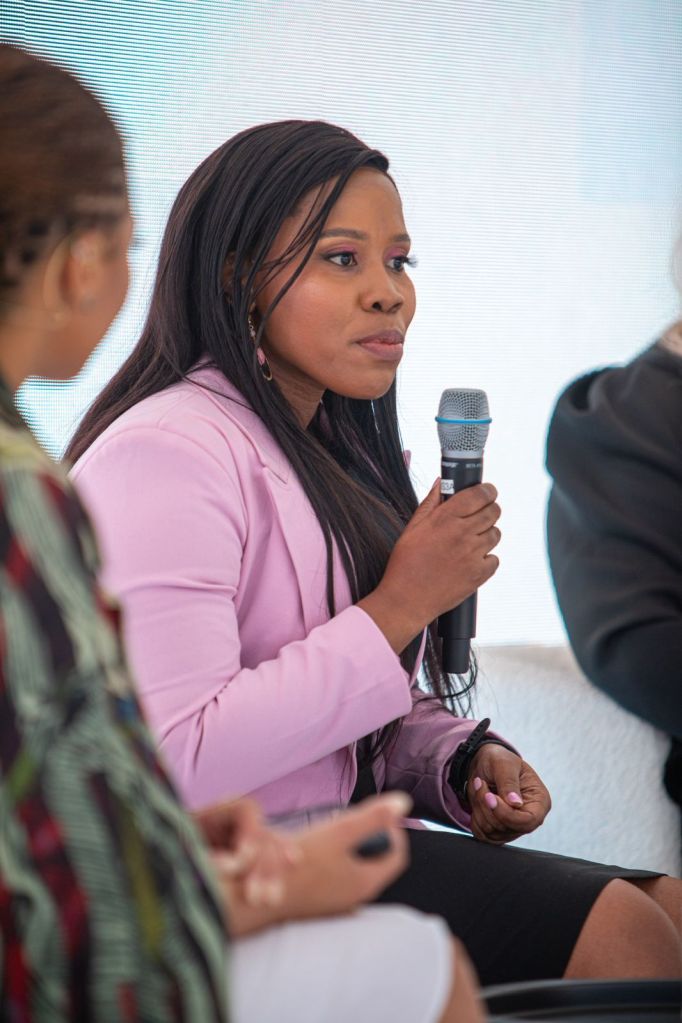
Mental health remained an equally critical pillar. Experts unpacked the increasing burden of drug dependency and its intimate connection with untreated trauma and social stressors.
Their message: a harm reduction approach must be as comprehensive as it is compassionate.
From destigmatisation campaigns to more accessible rehab services, it’s clear South Africa needs a national framework that treats addiction not as a moral failing but as a public health challenge one demanding empathy and evidence.
ALSO READ: Trying To Fetch My Summer Body… For The 10th Time
Policy, Partnerships, and the Path Forward
Dr Confidence Moloko summed it up powerfully:
“Effective harm reduction is not a solo effort. It demands regulatory clarity, stakeholder alignment, and a firm commitment to health outcomes across all sectors.”
Dr Bandile Masuku took it further, framing harm reduction as a national imperative. In his view, South Africa’s public health future depends on how boldly government, industry, and civil society are willing to collaborate:
“We must build policies that reflect lived realities and scientific advancement,” he said.
A New Health Ethic
The Wellness Collective Summit didn’t end with promises or platitudes. It ended with a challenge—to replace fear with facts, inertia with innovation, and silos with synergy.
As South Africa navigates a complex health landscape, one thing is clear: the age of blanket bans, moral judgments, and one-size-fits-all solutions is over. What the country needs now is a new health ethic—one that sees harm reduction not as an excuse, but as a strategy. Not as surrender, but as science in action.
And judging by the energy at Pere House, that future may be closer than we think.





Leave a Reply