The cannabis space in Africa is buzzing with potential, and right at the center of it is Cheeba Africa. They’re not just about growing plants—they’re growing people too. Whether you’re curious about cannabis, want to dive into the industry, or are looking to turn a passion into a profession, Cheeba’s got you covered.
I had a chat with them about what they’re doing, why it matters, and where this exciting industry is headed.
1. What is Cheeba Africa?
Cheeba Africa is the leading cannabis and hemp educational training company on the continent of Africa. We have spent years building credible accessible platforms to educate people—from curious individuals to professionals—on the medicinal industrial and wellness applications of cannabis and hemp.
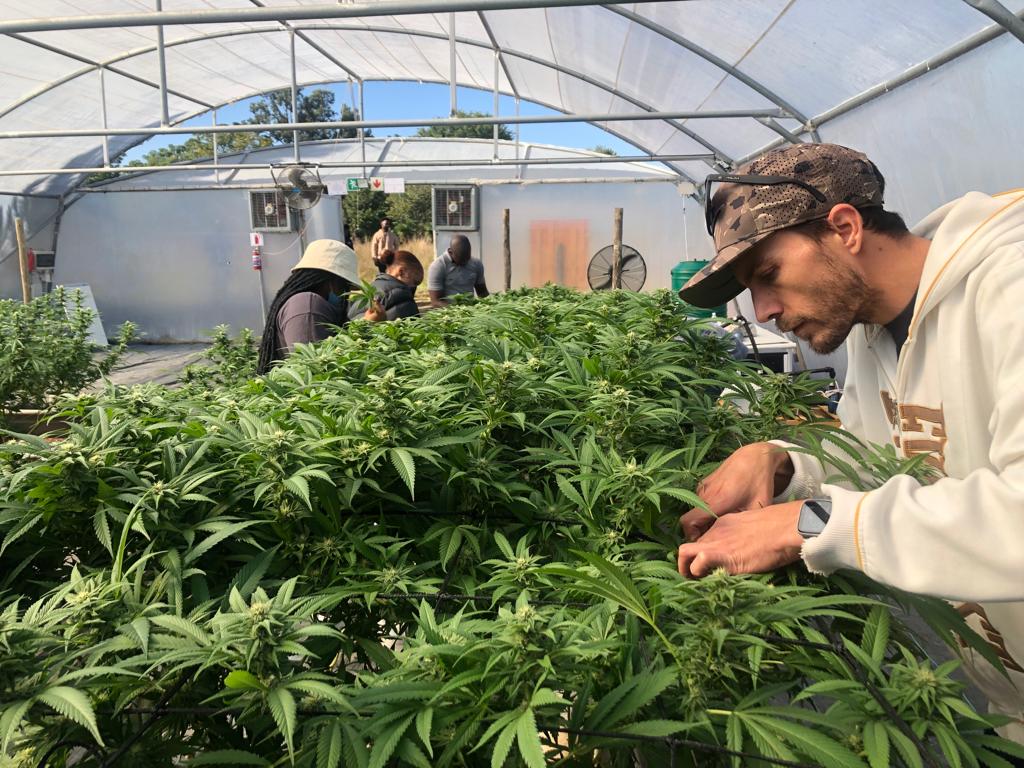
We have a campus based in Rivonia Johannesburg that has an indoor grow facility, a cannabis club for educational purposes as well as a small permaculture garden that the students maintain.
We have been running our flagship programme from our campus known as the Cannabis Industry 101 Course which immerses people into the industry giving them a hands-on approach into the industry’s full value chain.
We now have Africa’s first one-year Higher Certificate in Cannabis Production and Management and this basically showcases our focus on legitimising the possibility of industry opportunities for people with this formal qualification.
We also have a consultancy that assists people with building commercial cannabis and hemp farms as well as setting up their own cannabis clubs as well as dispensaries. We are able to do this as we have connected with subject matter experts who have long-term involvement in the industry and we believe in our education foundation as a good backbone for us to forge a good quality industry for the future of our communities and our continent.
2. Are people now more aware of the benefits of cannabis?
Adult responsible use (recreational) might be growing but what is more exciting is how many people are using cannabis for health issues such as assisting with sleep disorders, anxiety, pain or general wellness as the medicinal aspects of the plant are now becoming more and more prevalent. The stigma is still there and there is still a lot of work that needs to be done for the communities as they don’t fully understand how beneficial cannabis and hemp can be towards their lifestyles. More education for medical practitioners as well as for farmers working within the agricultural space as well as in other higher learning institutions and within various other industries.

3. How can we ease the public’s perception about strains and addiction concerns?
Cannabis isn’t chemically addictive like alcohol or hard drugs; it’s about responsible use and knowing your limits. Education and transparency in cultivation help ease those fears.
Strains effects vary for each individual user but they do have some underlying effects that are common. Think of it as a type of seasoning for your food and the taste and feeling you derive from the different herbs, this impacts people differently and so does the different strains for people.

4. What role does the government play?
The government plays a massive role—mainly around regulation licensing and policy development. We need clearer laws, support for small-scale farmers and training programmes. If the government partners with the right players we could see serious job creation and export potential. Also the government needs to know that they can’t do this on their own and need industry to support them as we are all aiming to beneficiate the whole country and we all need to hold hands as this is a combined effort.
5. How does cannabis contribute to the economy?
Cannabis is a sleeping giant economically. Globally we’re talking billions of dollars. Locally it means new jobs, small business opportunities, rural development and tax revenue for the country. From cultivation to retail and even wellness tourism the ripple effect is massive if harnessed right.
Here are some stats:
The South African cannabis industry is projected to reach $1.23 billion by 2030 with a compound annual growth rate (CAGR) of 24.85% (2023–2030).
Job Creation:
The industry employs over 1 million workers in both formal and informal markets critical in a country with high unemployment.
Government estimates suggest cannabis cultivation and commercialisation could create 10 000 to 25 000 jobs across the value chain from cultivation to agro-processing and sales.
President Cyril Ramaphosa noted the potential for 130 000 new jobs in the legal hemp and cannabis sector.
6. What does the rise in cannabis shops mean for the industry?
It’s exciting! More shops mean more access, more normalisation and more entrepreneurs entering the space. But it also means we need quality control training and a supportive ecosystem to ensure the industry grows sustainably. Done right it’s a win for everyone.
But our main concern is efficacy and safe products for consumers to consume and in response to this we have launched the following programme with support from government known as the Jobsboost programme and here is an outline of the project we have embarked on:
In response to the growing demand for skilled professionals in South Africa’s burgeoning cannabis industry Cheeba Cannabis Academy is spearheading an initiative to train 66 young individuals aged 18–35 as Cannabis Consultants (or Budtenders). These consultants will serve as vital links between consumers and private Cannabis Members Clubs or SAHPRA-licensed Section 21 dispensaries.
The academy’s flagship 12-week Cannabis Industry 101 course complemented by a 4-week internship equips participants with comprehensive knowledge of cannabis cultivation product diversity consumption methods and its physiological effects. This holistic training addresses gaps in current industry staffing where employees often lack multifaceted expertise. Graduates have already secured full-time roles in Cannabis Social Clubs and dispensaries nationwide.
Initially focused on Gauteng province to refine programme efficacy Cheeba plans to expand nationally leveraging its extensive industry network. This initiative not only empowers youth with meaningful employment opportunities but also supports the industry’s rapid growth positioning trained consultants as frontline ambassadors in this dynamic sector.
7. Fondest memory of the Dagga Couple?
We have a partnership with Fields of Green for All who are a South African non-profit organisation advocating for the reform of cannabis laws in the country. Their mission centres around promoting the responsible use cultivation and legalisation of cannabis while also addressing its social economic and environmental benefits. The organisation works to raise awareness, provide education and engage in lobbying efforts to influence policymakers and lawmakers. They aim to create equitable access to cannabis-related opportunities and emphasise the plant’s potential to drive sustainable development and social justice. Through campaigns research and community engagement Fields of Green for All strives to reshape public perception and policy surrounding cannabis in South Africa and the Dagga couple formulated this organisation and we are proud to be associated with them and for what they advocate.
8. Besides Durban Poison, what’s your favourite strain?
I am a fan of our local landraces and Rooibaard is one of my favourites at the moment as it’s calming and allows for full cognitive processing.
9. What can we expect from Cheeba at the Cannabis Expo?
As a leading advocate for the responsible development of the cannabis and hemp industries in Africa Cheeba Africa will be actively contributing to the success of The Cannabis Expo through meaningful engagement and thought leadership.
We will be hosting the Cheeba Cannabis and Hemp Summit, a specialised event taking place alongside The Cannabis Expo. This summit will focus on high-level dialogue around policy sustainability and economic empowerment. Attendees will gain deeper insights into the evolving regulatory landscape sustainable practices and strategies for inclusive growth in the cannabis and hemp sectors.
By attending both events participants will have the unique opportunity to engage directly with diverse industry players—from grassroots innovators to global leaders—while gaining holistic insights into the challenges and opportunities facing the African cannabis industry.
We hope this gives you a clear picture of what to expect from Cheeba Africa at The Cannabis Expo. Should you have any further questions or wish to discuss specific aspects of our participation please don’t hesitate to reach out.

![Make Hay While the Sun Shines: A Generational Call to Action! [part 2]](https://thejoburgreporter.com/wp-content/uploads/2026/04/picture1.png?w=640)
 The Joburg Reporter
Leave a reply to The Wellness Collective Summit 2025: Why South Africa Needs Science-Driven Harm Reduction Now More Than Ever – The Joburg Reporter Cancel reply