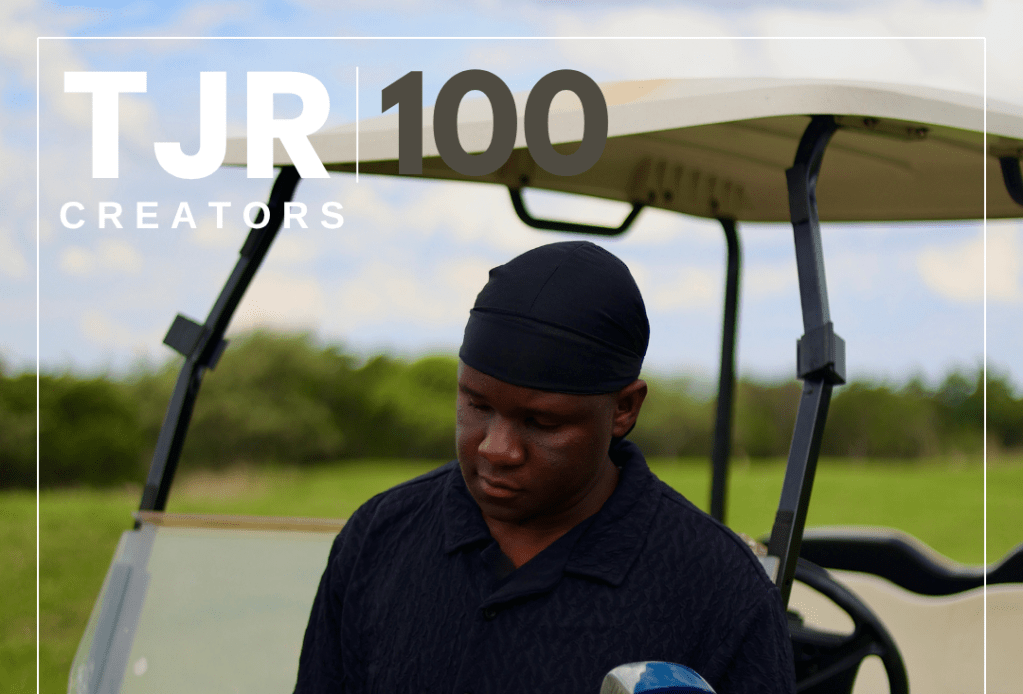
Meet Realeboga Saurombe, AKA Chelitravelssa, a travel, automotive,and tech content creator whose cinematic approach to storytelling has earned him a growing following.
In just 18 months, he has become known for producing striking high-resolution videos that just don’t showcase cars, he captures the emotion, design and atmosphere behind every frame.
In this conversation, he reflects on his creative evolution, the value of collaborating with fellow creators, the growing professionalisation of South Africa’s creator economy, and why the best content always begins with a great story.
Many people know you for the clean high-res cinematic videos, but not the work behind them. Which video took the longest to plan, shoot and edit? And tell us why that particular project demanded so much of your time and creativity.
When I’m filming places, it’s a lot easier because the beauty of a location does most of the heavy lifting, and I’ve become a lot better at filming places to the point where it’s almost muscle memory.
So it’s no surprise that the most difficult shoot was a car, the Mercedes-Benz GLE400d for a nighttime ASMR-style video, showcasing its unique lighting features and the overall feel of the car.
It took 3 hours of filming while working around having only one camera and filming entirely on my own.
I’m certain the gearbox wasn’t enjoying the number of times it was put into reverse and back into drive.
The editing process then took a full week of refinement because everything had to feel right, every sound, angle, transition, and movement mattered, the video did pretty well and I’m glad the time I put into it was worth it;
How long have you been creating content, and how has your style evolved since?
I’ve been doing this for exactly 18 months now, and looking back at my earlier videos… wow, improvement really is a big thing. I sometimes struggle to understand what people liked about my earlier videos because I’ve learnt so much and improved, especially in the past 6 months.
I’ve developed a much deeper understanding of perspective and professional filming, and that’s shaped my ability to tell a story through a lens.
Learning about rhythm, focal lengths, pacing, and overall feel has changed the way I create content.
I also started being in front of the camera as well, which is something I never used to do in my earlier content.
How do you decide when an idea is worth spending money on, and have those investments delivered financially or professionally in the way that you hoped for?
I’m a huge fan of cinematic storytelling. We recognise things and emotions visually much quicker than we do in any other way, so for me, if an idea has a strong story behind it, I’m definitely finding a cinema camera to tell that story as best as I can.
For instance, I shot an RSQ8 nighttime garage scene using a professional cinema camera. I had time to properly plan for it, so I focused on creating visuals that said: “This is something to aspire to, a car that makes you look back at it when you park it.”
It’s fulfilling beyond even a monetary return on investment, and fortunately, those kinds of projects also attract financial opportunities through brands taking notice and wanting to work with me.
You’ve collaborated with a number of creators. What have those collaborations taught you, and why do you think working with other creatives is important?
No man is an island, and we all have different ways of seeing and doing things, different skills, and different specialties. Finding people with the same goals and growth mindset has been a huge aid in my journey of learning and improvement.
Even sharing my own insights into how I film has helped me better understand my own creative process. Collaboration is a great way to grow, especially when it’s with the right people.
I’ve learnt how to shoot content in a way that is more meaningful to brands from creators who have more experience with brand work, and I’ve also gained a much better understanding of my own value and worth within the creator space.
Various conversations have emerged about professionalising the creator economy. Stakeholders like SARS recognise the industry. What are your thoughts about professionalising this sector?
I think it’s a valid and necessary step. Professionalising the creator economy helps establish clearer standards within the industry, which can protect creators from being exploited by brands and agencies.
As the industry grows, creators are becoming legitimate businesses and contributors to the economy, so having more structure around contracts, rates, taxation, and expectations helps create a more sustainable environment for everyone involved.
It also encourages creators to take their work more seriously and build long term careers instead of treating content creation as something temporary or informal.
Last Netflix (or streaming) show you watched?
Avatar: The Last Airbender… I’m a big nerd.
Last song you added to your playlist?
“Lawuleka” – Kabza De Small & MDU aka TRP ft. Zawadi Yamungu
Dream car to shoot for a week?
C192 Mercedes-Benz GT 63, I’d take that V8 to the lush green mountains in KZN!.
Sunrise or sunset shoots?
Definitely sunset.
Your favourite social media app and why?
Instagram, because it retains my video quality a lot better after upload.
Who do you want us to feature next? Nominate them here!


Leave a Reply