I came to Johannesburg in 2017 to pursue higher education. In the past eight years, I have obtained an Honours degree from Wits University, built a rich media rapport, created a compelling work portfolio, bought a car, found a safe and beautiful place to live, and landed a good job at a big media company.
Johannesburg has truly been the place of dreams, a city where ambition meets opportunity. But lately, reality has started to bite. As a young working professional, I think twice before turning on the geyser because electricity is painfully expensive. Water feels like a commodity, the roads are punishing my car with every pothole, and food prices, my goodness, turn what used to be small joys like eating out — into luxuries.
Even climbing the job ladder feels tougher than ever, with a saturated job market and fewer opportunities for growth.
ALSO READ: Being A Radio Producer Isn’t Glamorous—it’s messy, tiring, and often thankless.
That’s why, as the 2026/7 local government elections approach, I find myself thinking carefully about the kind of city I want to live in and the kind of leadership it needs.
I’ll be making some tough choices & so far, no political party is speaking to the real, everyday struggles of young working professionals like me.
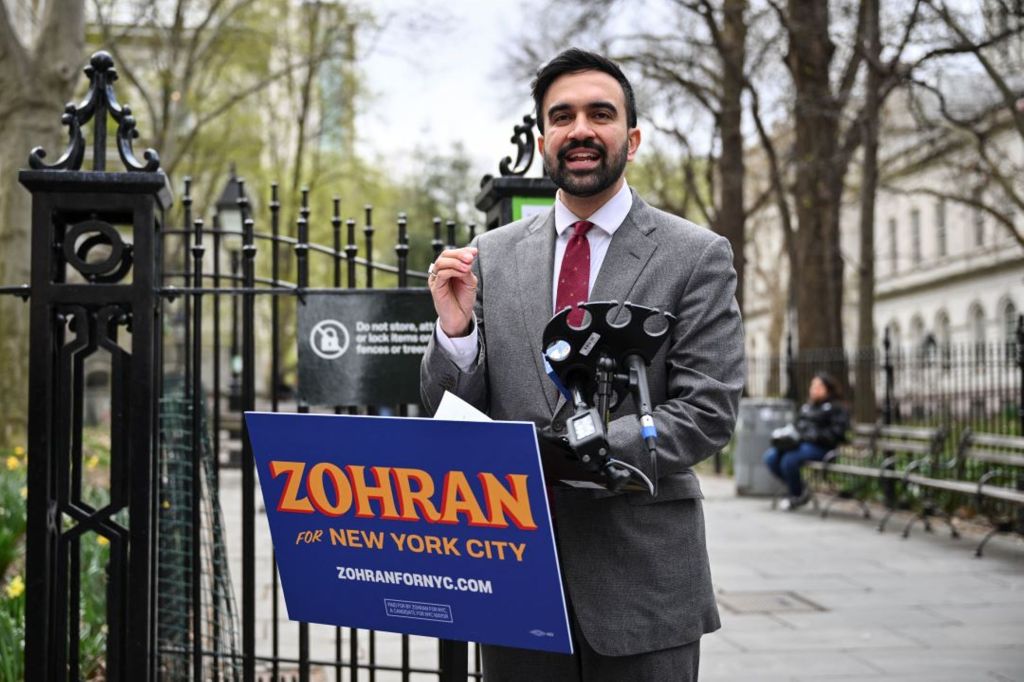
I watched Zohran Mamdani’s victory in New York City, and it got me thinking. I hope it also got politicians thinking too.
Johannesburg’s recent political history reads like a game of musical chairs. Since 2016, we’ve had a carousel of mayors, from Herman Mashaba, Geoff Makhubo, Jolidee Matongo, Mpho Phalatse, Kabelo Gwamanda and now Dada Morero.
The constant coalition collapses and internal squabbles have left service delivery in shambles. Potholes deepen, water systems falter, and power failures have become part of daily life.
While Joburgers hustle to make a living, our leaders seem to be fighting to survive politically instead of governing.
ALSO READ: Nedbank’s Khensani Nobanda Embodies Marketing Excellence and Leadership
Overseas, New Yorkers recently chose Zohran Mamdani, a young, progressive politician who campaigned not on personality or background but on policy. He ran on clear, practical ideas: free city buses, universal childcare, rent freezes for struggling tenants, and even city-run grocery stores.
His victory as the city’s first Muslim and South Asian mayor was symbolic, but what resonated most was his focus on making life more affordable for working people.
For me, that hit home — because that’s what I need from local politics here: not slogans, not drama, but a plan that makes living in Johannesburg less punishing for those of us trying to build a life.
South Africa’s political system means we don’t vote directly for mayors; we vote for parties. That’s part of the challenge.
The ANC’s dominance has weakened in metros like Johannesburg, while the DA, ActionSA, the EFF, and several smaller parties have collected pieces of the vote. The result has been unstable coalitions that fall apart as fast as they form.
From Mamdani’s New York to Johannesburg’s reality, I see three lessons for voters.
- First, policy clarity matters more than identity or charisma. Mamdani didn’t just promise change — he explained how to pay for it. Joburgers deserve the same honesty from their politicians.
- Second, coalition readiness is critical. Our city’s governance depends on fragile alliances; parties must show they can work together without collapsing into chaos.
- Third, leadership means rejecting the politics of fear and division. In New York, Mamdani faced Islamophobic attacks and disinformation but kept the focus on practical solutions. In South Africa, politicians often use xenophobia to mask deeper issues. We must refuse to reward that.
As a voter, I’m not just looking for a party logo to tick, I’m looking for a credible plan that speaks to the life I’m living.
One that understands how high electricity costs shape my mornings, how potholes eat into my savings, how rent and food prices redefine what “middle class” even means, and how career stagnation keeps young professionals anxious about the future.
ALSO READ: Bracket Creep Is A Growing Burden on South Africa’s Shrinking Middle Class
I want to see policies that make Johannesburg liveable again — where we can grow, work, and dream without feeling punished for it.
South Africa might not be ready for a “Mamdani moment” — a foreign-born leader elected directly by the people — but the lesson isn’t about identity. It’s about vision. Mamdani’s win shows what happens when voters demand clear, compassionate, and competent leadership.
Johannesburg doesn’t need another temporary mayor or a recycled party manifesto. It needs leadership that listens to those of us who live the city’s contradictions every day — who love Joburg’s energy but are exhausted by its dysfunction.
I came to this city to chase my dreams. I’ve achieved many of them. But to keep believing in Johannesburg, I need leaders who believe in us — the workers, students, entrepreneurs, and families who make it run.
Watching Mamdani win gave me hope. Now, it’s up to Joburg’s politicians to earn that same hope from the people who call this city home.

![Make Hay While the Sun Shines: A Generational Call to Action! [part 2]](https://thejoburgreporter.com/wp-content/uploads/2026/04/picture1.png?w=640)

 The Joburg Reporter
Leave a reply to From Ring Lights to Red Carpets: Why It’s Time to Stop Gatekeeping Talent – The Joburg Reporter Cancel reply