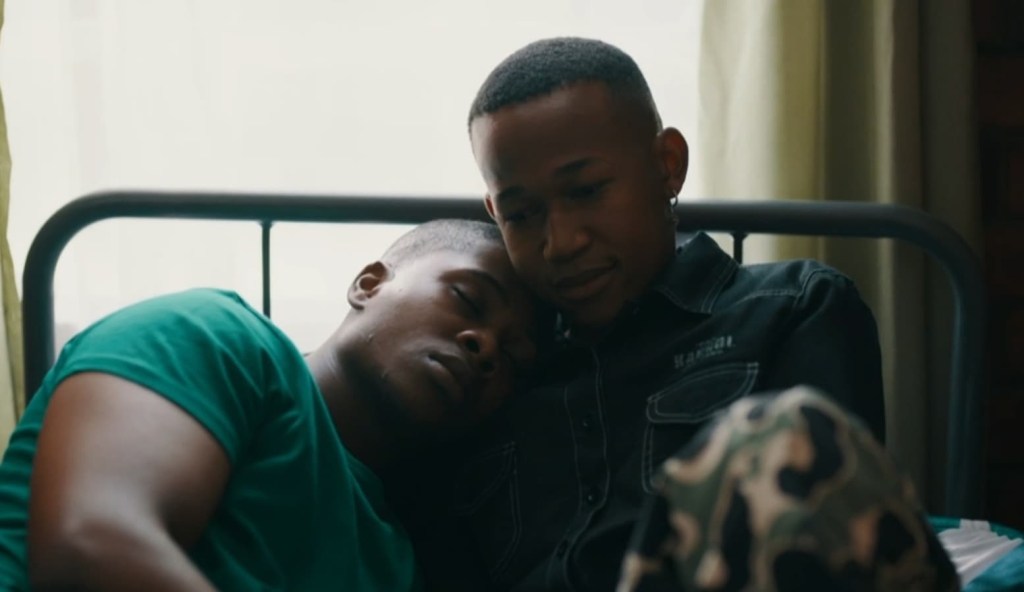
This month marks 35 years since South Africa’s first Pride march, a celebration of visibility, resilience, and unapologetic joy.
As this weekend rolls around, it’s iWeekend enkulu for the queer community, with Pride taking over the streets of Johannesburg.
Tomorrow, queer bodies and allies will gather in their most expressive fits, waving rainbow flags high enough for the Sandton skyline to see.
It will be a beautiful reminder that freedom, though hard-fought, is still something worth celebrating.
But as we prepare to witness the rainbow on the streets, I can’t help but ask: where’s that same rainbow on our TV screens?
You’d think that after three decades of Pride celebrations, South African television would be bursting with queer stories representing every shade and texture of the LGBTQ+ experience, but our screens still seem to have missed the memo.
The queer experience remains underrepresented, and when it does appear, it’s often as a secondary storyline or as comic relief.
Let’s rewind for a second.
In 2004, Yizo Yizo gave South Africans one of the first raw depictions of a same-sex relationship between Thiza (Tshepo Ngwane) and Thabang (Makhaola Ndebele). It was bold, controversial, and groundbreaking, it was the first time we saw two black men in love and kissing on screen.
The uproar was immediate, but so was the conversation. Suddenly, television had cracked open a door that had long been sealed shut.
Then came Generations, which took a significant leap with Senzo and Jason, one of our earliest black queer love stories on mainstream TV. Around the same time, shows like After 9, Society, Isidingo and Intersexions were not afraid to explore the complexities of queer life, love, desire, and identity in nuanced ways.
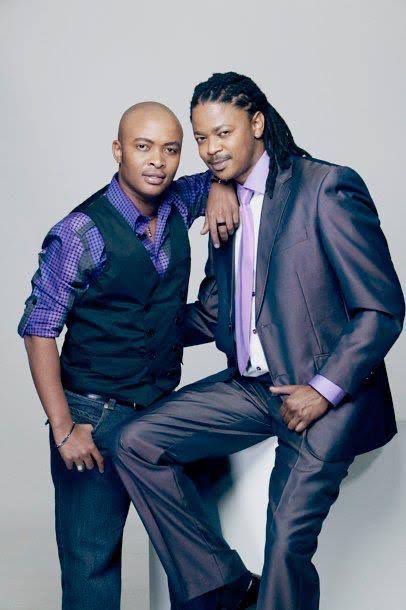
For a moment, it felt like South African TV was ready to embrace stories that reflected everyone.
And then… silence.
It’s as if somewhere between the rise of streaming and the fall of linear TV, queer representation got lost in the algorithm. Platforms like Netflix and Showmax have given us access to global stories, but where are our own? Where are the local, authentic queer narratives that mirror the lived experiences of the LGBTQ+ South Africans today?
It begs the question: are commissioning editors scared to tell queer stories, or are we as audiences, not showing up for them when they do?
It’s not all bleak though. Shows like Youngins have quietly made ground with Youngins being praised for its authentic queer representation, including a gay character in a high school setting and a closeted head-boy storyline.
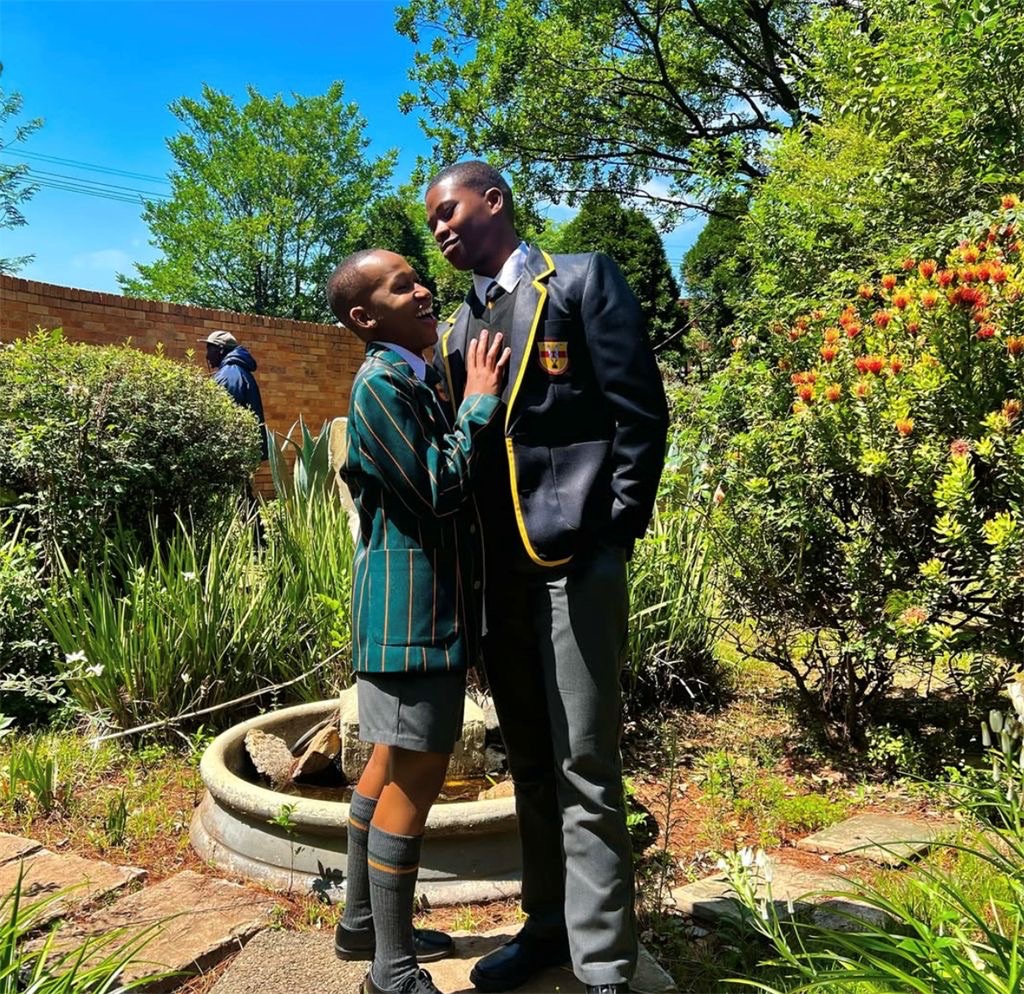
Meanwhile Miseducation (which was prematurely cancelled #BRINGBACKMISEDUCATION) was layered in sexual and gender diversity among its characters, weaving in themes of sexuality and gender in a university setting.
These shows show that when creators commit representation works, it resonates, it matters.
This week I also stumbled upon an incredible documentary on Showmax titled Young, Gifted & Queer. Directed by Renaldo Schwarp, it spotlights black queer artists and activists Andiswa Dlamini, Umlilo, and S’bo Gyre, and celebrates their courage and creativity.
The film first premiered on Channel O before finding its home on Showmax, and it’s a powerful reminder of what authentic storytelling can look like when done right.
Still, one can’t shake the feeling that this kind of representation should be more common, not a rare find in a sea of heterosexual love triangles.
As we celebrate Pride and all it stands for, maybe it’s time we ask the TV and film industry to do a little catching up.
Representation shouldn’t be seasonal, it should be woven into the everyday fabric of storytelling. Because until our screens reflect the full spectrum of who we are, the rainbow will keep shining a little dimmer than it should.

![Make Hay While the Sun Shines: A Generational Call to Action! [part 2]](https://thejoburgreporter.com/wp-content/uploads/2026/04/picture1.png?w=640)

 The Joburg Reporter
Leave a reply to From Ring Lights to Red Carpets: Why It’s Time to Stop Gatekeeping Talent – The Joburg Reporter Cancel reply