
While Sundays are for lovers, those of us who are currently without the lover that is required have found solace in snuggling up on the couch for our weekly dose of reality TV on Mzansi Magic.
For the past couple of months, the Sunday slot has been flooded with back-to-back content.
From Married At First Sight Mzansi all the way to Nandi and The Rev and both of these shows have had social media buzzing with commentary about love, marriage, and relationships.
But they’ve also revealed a very dark side of mjolo that has made most of us stand up and scream “It’s enough!” at our TVs.
ALSO READ: #CanWeTalk: “We asked for love, but they gave us chaos: The reality of Reality TV”
I’ve always been an advocate for supporting women, and I’m always happy to see them dominate spaces and show us different layers and parts of themselves. But over the past year or so, it seems some have started to dominate the space of toxicity, a space men like Siyacela (Isencane Lengane) and Thami (Married At First Sight Mzansi) have comfortably occupied.
Last year, we were introduced to Khanya Nqolase on Netflix’s first South African version of The Ultimatum. It wasn’t long before the sharp-mouthed reality star began slurring insults at both cast members and her partner.
This made her one of the most disliked personalities in reality TV and her arrogant, boastful demeanour seems to have inspired a wave of similar characters across the genre.
This year’s season of The Mommy Club introduced us to Pheladi, who made Noksie her personal punching bag at every opportunity.
She had the other ladies turning on Noksie to the point where it became unbearable to watch older, accomplished women behaving like teenagers in a high school cafeteria.
And who could forget Minnie from The Real Housewives of Durban, who gave us one of the most talked-about moments in reality TV this year (the infamous “finger on Londie London’s head”).
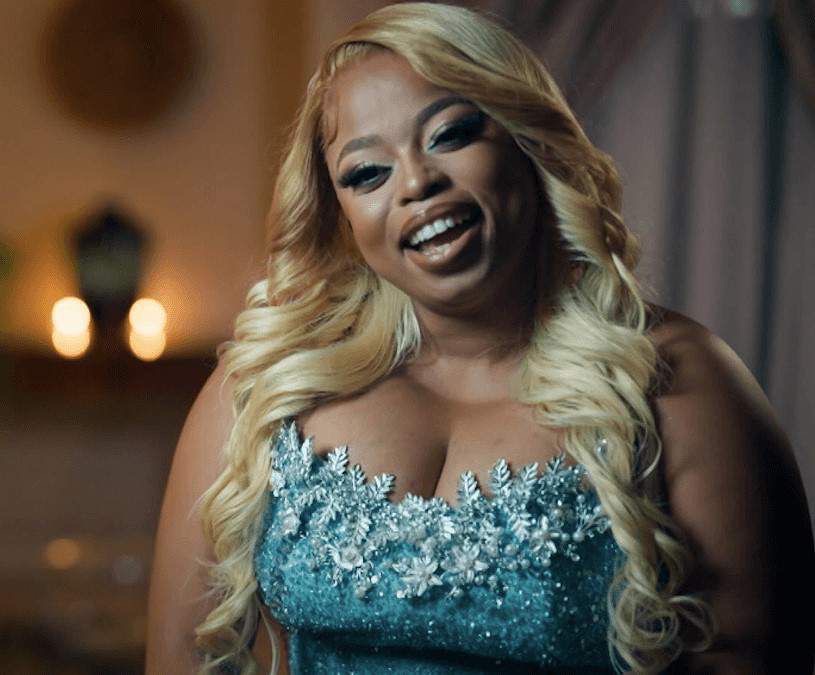
A scene that had us all screaming “Yoh!” at our TVs and ready to cancel her on the spot. It also had me personally ready to sign up for Londie’s masterclass on composure.
Interestingly, both these women were no-shows at their respective reunions, further fuelling viewers’ frustration. Because really, if you can dish it out, why not sit down for the accountability that comes with your behaviour?
The most recent, and perhaps most alarming example, however, comes from Nandi and The Rev, where we’ve witnessed a level of emotional abuse that has made viewers genuinely uncomfortable.
Watching Nandi’s constant belittling of her partner has peeled back the glossy layer of “TV drama” and exposed something far more disturbing about reality TV.
ALSO READ: SAMA31 Turns Up the Heat: Top 5 Nominees Announced
And let’s be honest, if the roles were reversed and The Rev was the one treating Nandi this way, the BCCSA would’ve already been called, and Women for Change would be demanding the show’s cancellation and The Reverend himself.
So where does that leave us? Are women really becoming the villains, are they confidently and boldly standing tall in their villainy or are we just seeing the result of production teams who know that chaos trends better than compassion?
Reality TV has always been about extremes, but lately, the extremes have started to mirror something uncomfortable in our society, a shift where being loud, cold, and unkind is mistaken for being powerful.
Maybe it’s time we stop applauding the villain edit and start asking what it says about us that we keep rooting for it.


 The Joburg Reporter
Leave a comment