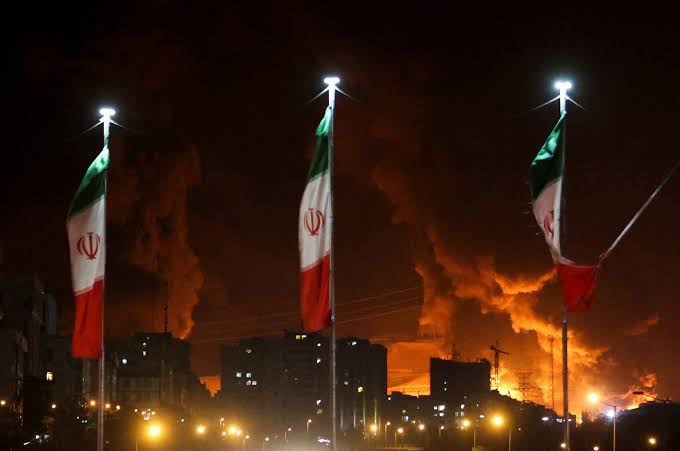
With the confusion on a ceasefire in the war involving the nations of Israel / USA – Iran, South Africa must not only observe and issue statements of de-escalation and cessation of hostilities in the widely reported exchange of ballistic missiles, loitering munition – also known as suicide or kamikaze drones, but take the necessary steps to ensure its own economic and social security.
Reports from the middle east and other geographies around the world state that, Iran’s parliament has endorsed closing the Strait of Hormuz.
According to some sources, South Africa imports north of 30% of its crude oil, which ensures the security of fuel supply in the country from the Middle East, in countries such as Saudi Arabia and the UAE (Dubai/Abu Dhabi).
These countries and South Africa would use the Strait of Hormuz as a trade route for the import /export inbound to South Africa.
The Strait of Hormuz is one of the world’s most critical shipping chokepoints. It connects the super oil endowed Persian Gulf to the rest of the world, to South Africa. Approximately 20% (1/5) of global production/supply flows through the waterway.
Iran controls the northern side of the Strait, thus implying that any instability in Iran may potentially spill over to the Strait region and eventually reach and comprise South Africa.
With Iran’s parliament having endorsed closing the Strait of Hormuz, should that manifest, South Africa will experience an impairment in domestic economic and social policy, worsening existing challenges.
South Africa has adopted the Medium-Term Development Plan (‘MTDP’), which has three strategic priority areas; strategic priority 2 of those states: Reduced Poverty and Improved Livelihoods – the targeted outcome: percentage of the population living below the food poverty line, and one key strategic intervention: undertake a comprehensive review of administered prices (including the fuel price formula) to identify areas where prices can be reduced.
Operation Vulindlela, another strategic objective to deal with structural reforms, supply side effects of the economy, indirectly addresses fuel – It strategically focuses on common areas like streamlining regulations for energy projects, that includes the Energy Security Bill.
Operation Vulindlela phase two focuses on the priority of ‘Creating A World – Class Logistics System To Support Export Growth’, this priority indirectly impacts fuel transportation and related cost.
South Africa’s foreign policy places a priority on promoting national prosperity, stability, and development within the country, across the African continent, and globally.
The country’s foreign position might be undermined by supply shortages bound from the middle east, through the Strait of Hormuz.
The Department of Mineral Resources and Energy (‘Mineral and Petroleum Resources’) is expected to be developing or polishing a mitigation plan should the worst materialise and force majeures come into effect from suppliers, creating a supply, economic shock, that can be mitigated with proper planning and preparedness.
Something more tangible than statements to protect the economic and social interests of the country, its firms and its households.
Its common knowledge that supply shocks, deficits, will lead to volatility and increase fuel prices. These prices will impact Headline Consumer Price Inflation (‘CPI’) – which impacts interest rates, increased operational costs – households and business, and fiscal strain on the state – diminished revenue and strained economic growth. These issues hamper the attainment of the country’s objectives and as such, may provoke social unrest.
As so much as strategic fuel reserves may be used in the short run to mitigate against shocks, it may not be sustainable in the long run, with market diversification in the short run being difficult, as supply contracts are already in place and budgets committed – this would include increased demand competition in the alternative oil market which might cause supply challenges and costs being pushed up.
With the war not demonstrating credible signs of abating concluding from the actions post treaty agreements and the statement made to reporters from the United States of America’s President on his disappointment on the continued fighting, South Africa must and should have moved to protect its domestic economic and social interests and not just issue of statements of peace in the Middle East.





Leave a Reply