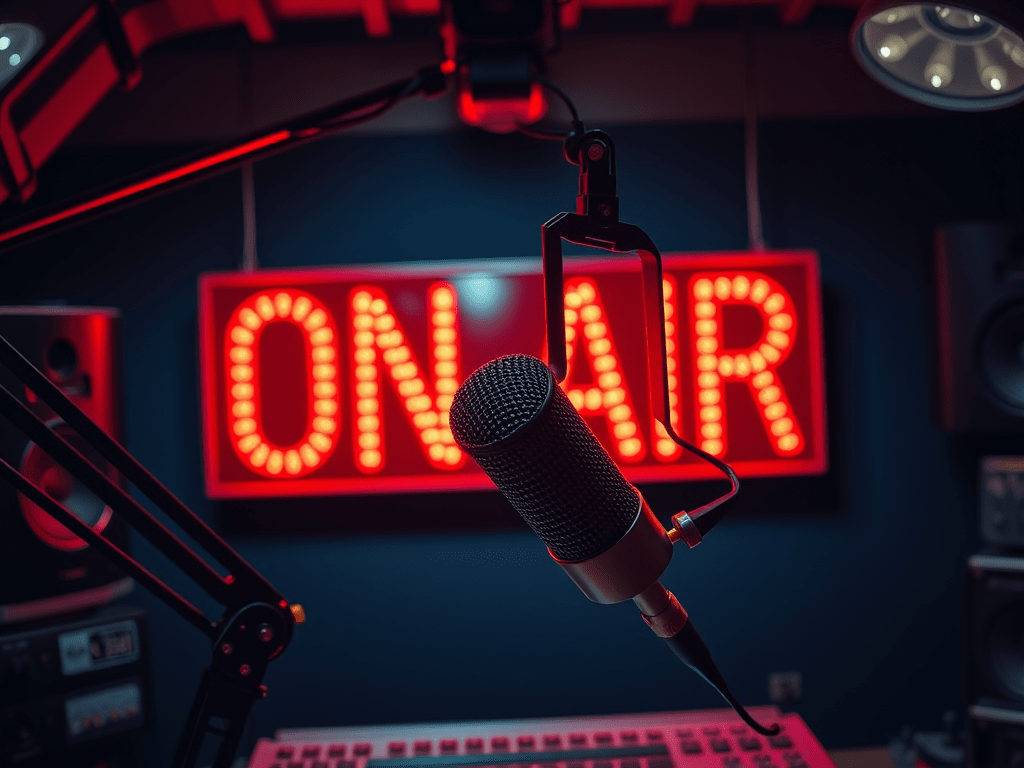
I am feeling content fatigue as we kick off 2026, particularly in talk radio. Taking into consideration how talk radio has been produced over the past few years, it feels like we were climbing a content slope, where conversations were getting sharper, deeper, and more intentional. Somewhere along the way, we hit an equilibrium. Now we’re stuck. Nothing phases me anymore.
Talk radio in South Africa, particularly presenters, are obsessed with securing exclusive interviews with whoever dominates the news cycle. The problem is that nothing new ever comes out of these conversations, just the same populist utterances already circulating on social media and press statements. They chase short-lived adrenaline, just so they can say they were “one of the few” that got the interview. But there’s no shifting of understanding, challenging narratives, or adding context. It is just recycling noise.
ALSO READ: Being A Radio Producer Isn’t Glamorous—it’s messy, tiring, and often thankless.
A familiar example: Helen Zille raised her hand for Joburg Mayor last year. She did the rounds across various stations not just in one morning, but probably for the whole month – repeating identical talking points, while presenters ask slightly rephrased versions of the same safe questions. By the third interview, the listeners learned nothing new.
Presenters are trying desperately to stay relevant, and in the process, many are losing the niche their shows are supposed to offer. A long-format show has no business chasing a trending news story in the same way a news-driven show does — that’s why different shows exist in the first place.
The problem starts when presenters assume they know what listeners want to hear. Listeners are not one-dimensional. Yes, they want to know the top stories of the day, but at the same time, they also want to hear a thoughtful discussion about reclaiming land from the sea, or the history of Amapiano. That’s the point of niche programming. No one tunes into a late-night show to hear a surface-level breakdown of why there’s going to be a shutdown protest the next day.
ALSO READ: Navigating the Media Maze: Insights from a Producer’s Journey
Understaffing is a reality across newsrooms, but it is not an excuse for mediocrity (management, don’t get too excited, I’m coming for you too). Producers do far more than book interviews and screen calls. A major part of the job is to conceptualise, research, and interrogate topics before they ever reach the mic. That means reading, preparing angles, anticipating counter-arguments, and pitching ideas that actually deserve airtime. But that’s just on paper. In practice, it’s absent.
Laziness is transmitting through the airwaves. An avid radio listener can tell when a topic has been properly researched versus when someone is taking chances just to fill time.
Yes, understaffing puts immense pressure on producers. But content quality must remain the priority. Too often, the goal has become filling slots to avoid dead air rather than producing content that justifies being on air in the first place.
Management needs to confront its own role in this decline. Talk radio is still making a lot of money. If talented people were paid competitive salaries and supported, more money would be made — not less.
Producers, despite carrying a bulk of the workload, remain undervalued compared to presenters. If a producer quits, another one can be hired almost immediately – management does this all the time. But, what they ignore is what walks out the door with them: institutional memory, contacts, context, and the skill required to keep a show coherent and compelling.
ALSO READ: 8 Questions for KING THA – Thandiswa Mazwai
Two things for management. First, whatever your best producer earns, double it and pay them that — that’s just the minimum. Second, hire more producers. A three-hour show cannot realistically be sustained by one person who is expected to research, script, plan content, manage logistics, and screen calls at the same time. When exactly are they supposed to do the thinking that makes the show worth listening to?
All of this affects the final product; the shows that go on air. The reason content fatigue has set in is simple:
- People are more focused on sounding relevant than being creative.
- People aren’t paid enough, so they’ve quietly quit.
- Understaffing has made it impossible to keep up without cutting corners.
We still have a long way to go, and it’s about to get worse. Many roles in talk radio will be automated, but automation will only accelerate what’s already broken. If thinking, context, and originality are not valued now, replacing people with systems won’t solve the problem — it will only make the fatigue permanent.





 The Joburg Reporter
Leave a comment