
11 years ago, I was still in high school, and had no idea of what went into marketing campaigns. But there was one campaign that left an impression on me — Coca-Cola’s Share a Coke. I remember walking through our local Shoprite, seeing bottles and cans with names, and even though I didn’t find mine, I couldn’t help but smile seeing so many Venda names on 2-litre bottles. It made the brand feel more personal, more connected to me.
Fast forward to this past weekend, and I found myself at the exclusive Share a Coke event at Fourways Mall, and who did I bump into? The man who helped bring the campaign to life in South Africa—Khaya Dlanga.
Khaya was the Senior Communications Manager for Content Excellence at Coca-Cola South Africa when the Share a Coke campaign first launched in 2014. I had the chance to chat to him during the launch event at Fourways Mall and ask him some questions about how the campaign came to life and what it meant to him.
What was the inspiration behind this campaign, and what do you think led to its success?
The inspiration behind the campaign stemmed from a simple insight: people like to see their names in lights. Social media has made this clear, as people crave fame and want to be recognized. On platforms like Instagram, everyone has their own channel with a lot of followers, and many people want to be known. The idea was: What if the world’s most famous brand—Coca-Cola—removed its name from the bottle and put your name on it instead? That was the insight. It was powerful because it resonated with people’s desire for recognition. And it just took off. The campaign went viral and was a massive success.
Eleven years later, the campaign is back. What does that say about Coca-Cola’s other campaigns, particularly in South Africa? And does its return indicate success in terms of revenue?
I think the return of this campaign shows that the concept of putting someone’s name in lights still resonates today. I even wrote about this campaign a few years ago, and people—especially younger audiences who were too young to remember the original campaign—were excited about it. They wanted their names on the bottles, too. So, it’s clear that this campaign has lasting appeal. Sometimes, brands abandon good ideas, but if something works, you should bring it back. Coca-Cola’s ability to adapt and bring this campaign back speaks volumes.
In terms of South Africa, the country is diverse, and this campaign is a reflection of inclusion, which is incredibly important in a multicultural society. With all the challenges happening globally, including political shifts like Trump’s tariffs and the changes to diversity policies, this campaign still stands strong for inclusion and recognition of every individual.
Coca-Cola is an international company, and this campaign is an inclusion-driven initiative. Given the controversies created by Donald Trump, does this signify a stance against Trump’s policies?
I wouldn’t say it’s a stance against Trump, but rather a stance for what Coca-Cola has always stood for: inclusion. Coca-Cola has a long history of promoting inclusivity. For example, in 1969, after Martin Luther King Jr. was assassinated, Coca-Cola was the first major brand to feature Black and White people together in an advertisement. It was a bold statement at the time—people of different races sitting together, sharing a Coke, breaking the segregation of that era. So, this campaign continues that legacy of inclusion. It’s not necessarily a response to current political climates but a reaffirmation of Coca-Cola’s commitment to inclusivity.
How will this new campaign differ from the previous one, especially now that Gen Zs are at the forefront of marketing and advertising?
What will make this campaign even more successful is the broadening of its scope. While the first campaign featured a select number of names, this time, it includes more names—about 300, I believe. The reach is significantly broader, and it will connect with even more people. Gen Z is incredibly active on social media, and I’m really excited to see how they will engage with the campaign on their platforms. Coca-Cola has been creative with this, and I think it will really resonate with this younger generation, who are all about sharing their identities and being recognized.
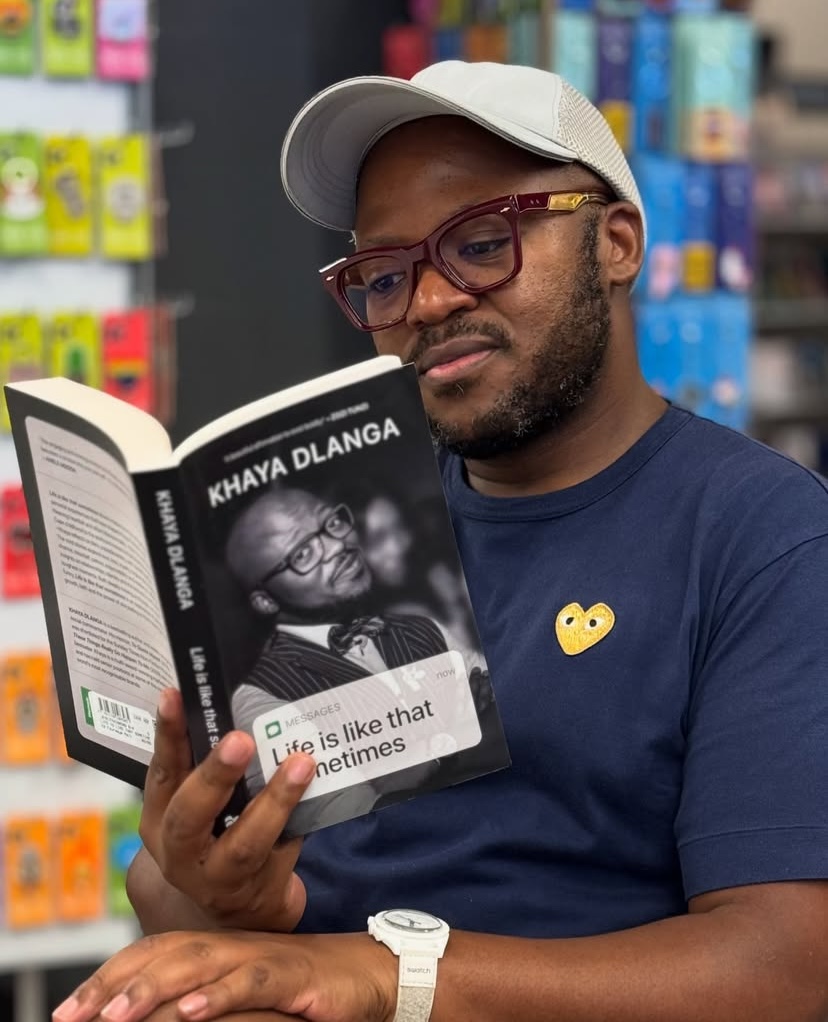
You recently released a book titled Life is Like That Sometimes. Can you tell us more about it?
Yes, it’s got some really funny short stories, some of which are really funny, but towards the end, it gets more personal. I write about losing my brother, who took his own life due to a gambling addiction. It was a difficult time for me, and writing the book became part of my grieving process.
When I opened up about my brother’s death, many people reached out to say they appreciated my honesty. There’s a lot of shame associated with suicide in many families—people know it happened but never talk about it. I wanted to break that silence and show that it’s okay to talk about grief and loss. The more we talk about these issues, the better chance we have of understanding and preventing them.
How do you keep going after experiencing such loss? How do you continue living, despite everything?
There’s a verse in the Bible that has always inspired me. It’s from James 1:2-5: “Consider it pure joy, my brothers, whenever you face trials of many kinds, because the testing of your faith produces perseverance. Let perseverance finish its work so that you may be mature and complete, lacking nothing.” This verse has always been a source of strength for me. It promises that we will face hardships, but those trials are meant to help us grow and become stronger. Even though it’s hard, I believe the challenges I face have a purpose. I may not understand why right now, but I trust that I’ll come out stronger in the end.
Khaya Dlanga is an award winning Marketing executive who was worked at big brands such as HEINEKEN, RAIN, & Coca-cola. Get his book here;
 The Joburg Reporter
Leave a comment