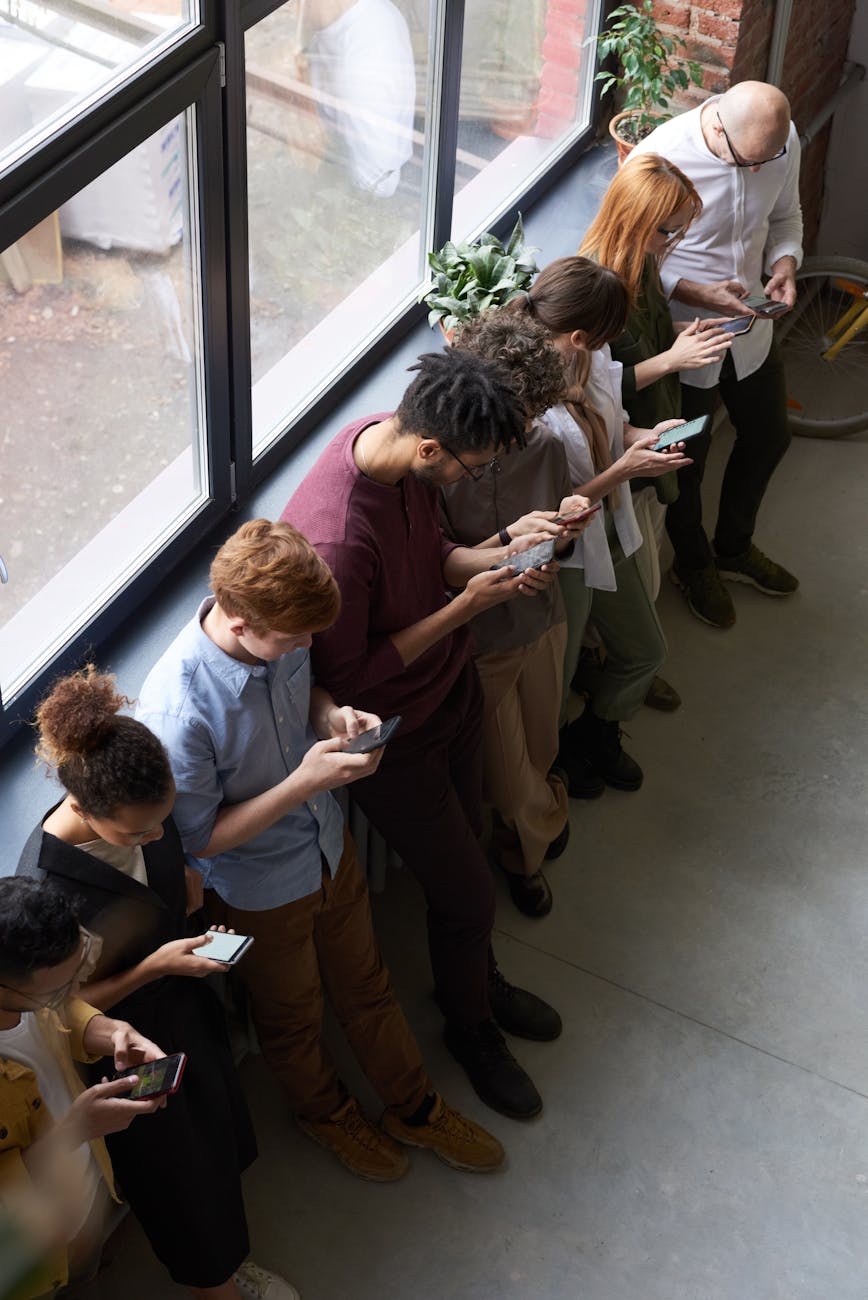
In the age of digital communication, social media has become a dominant force in shaping public opinion and political discourse globally. However, its influence in South Africa’s political landscape, especially during recent elections, reveals a significant disconnect.
While social media platforms like Twitter, Facebook, and Instagram are popular for political campaigns and debates, they do not accurately reflect the broader political reality of the country. This disparity is largely driven by issues such as the digital divide and the varied access to technology across different demographics.
The Digital Divide in South Africa
The digital divide in South Africa is pronounced, with significant portions of the population lacking reliable internet access or the necessary digital literacy to engage with social media platforms. According to the World Bank, around 64% of South Africans had internet access as of 2020, leaving a substantial portion without connectivity. This gap is further exacerbated by economic disparities, with rural and low-income areas being particularly affected. Consequently, the voices on social media often represent a more urban, educated, and affluent segment of society.
Afrobarometer data highlights this divide, showing that internet access is heavily skewed towards urban and higher-income populations, while rural areas have far lower rates of connectivity. This means that social media often fails to capture the political sentiments of a substantial segment of the population, leading to a misrepresentation of the broader political landscape.
Recent Elections and Social Media Influence
The 2024 elections in South Africa highlighted the limitations of social media as a true barometer of political sentiment. During the election period, social media buzzed with political campaigns, debates, and endorsements. Parties like the African National Congress (ANC), the Democratic Alliance (DA), and the Economic Freedom Fighters (EFF) leveraged these platforms to reach voters, engage in dialogue, and promote their agendas. However, the election results painted a different picture from the social media landscape.
While social media suggested a strong presence and support for certain parties, the actual voter turnout and results reflected a more complex reality. The ANC retained significant support in many rural and lower-income areas, where internet access is limited, and traditional media and community networks hold more sway. In contrast, the DA and EFF, which appeared highly influential on social media, saw less dramatic gains in these regions.
Discrepancies in Political Engagement
The divergence between social media activity and election outcomes can be attributed to the varying levels of political engagement across different demographics. Urban areas with better internet connectivity and higher levels of education tend to have more active social media users. These users often dominate online political discussions, creating an echo chamber that does not necessarily resonate with the broader population.
Afrobarometer surveys reveal that traditional media, particularly radio and television, remain the most trusted and widely accessed sources of information for many South Africans. Approximately 70% of respondents cited radio as their primary source of news, with television following closely. In contrast, less than 30% reported using the internet or social media as their main information source.
Furthermore, the surveys indicate that younger South Africans, despite being more active on social media, show low voter turnout rates. This paradox highlights a critical gap: despite their online engagement, many young people do not translate this into real-world political participation.
The Role of Traditional Media
Despite the rise of social media, traditional media such as radio, television, and newspapers remain crucial in reaching the broader South African electorate. Radio, in particular, is a vital source of information for many rural communities. It provides a platform for political discourse that is more inclusive and reflective of the country’s diverse population. Political parties that effectively utilize traditional media alongside social media are better positioned to reach a wider audience and engage with the electorate meaningfully.
Social media is a powerful tool for political engagement and communication, but it is not a comprehensive reflection of the political landscape in South Africa. The digital divide, varying levels of political engagement, and the enduring influence of traditional media all contribute to this disconnect. As Steve Biko famously said, “It is better to die for an idea that will live, than to live for an idea that will die.” This sentiment underscores the need for lasting and inclusive political strategies that address the needs of all citizens, not just those active online.
Recognizing and addressing these disparities is essential for fostering a more inclusive and representative political landscape in South Africa. Bridging the gap between the digital and real-world electorate will ensure a more accurate and holistic understanding of the country’s political dynamics, beyond the confines of the social media echo chamber.
Sibonelo Mavuso is a Communications & Advocacy professional with a keen interest in Political Communications and Human Rights.
 The Joburg Reporter
Leave a comment