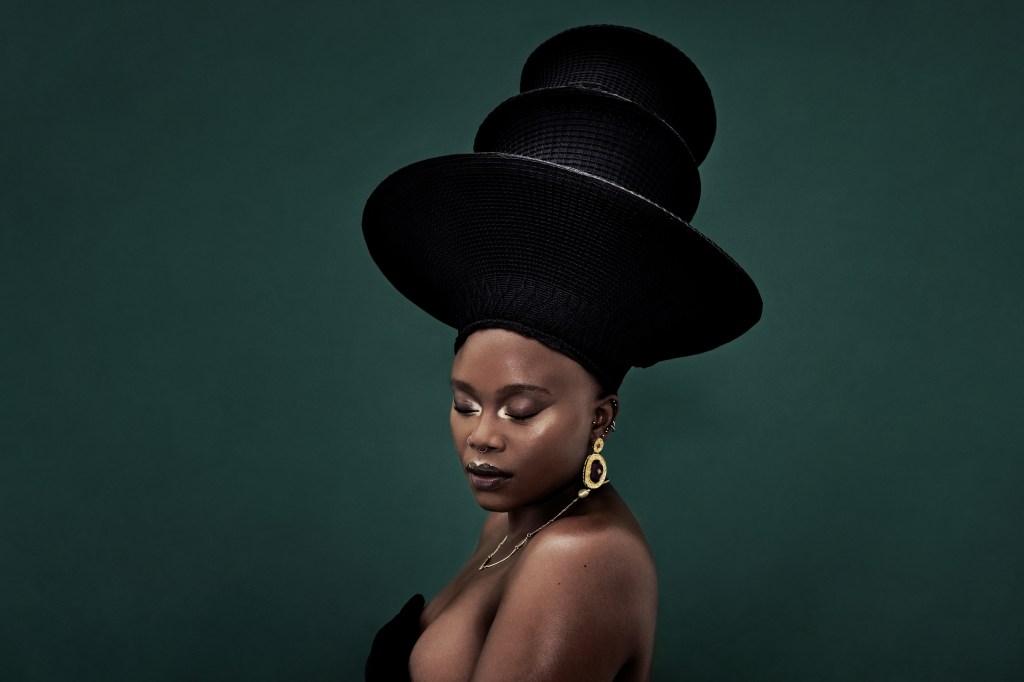
As we approach the 2024 elections in South Africa, there’s an undeniable tension and weight in the air. Perhaps now, more than ever, is the opportune moment to seek out songs of liberation that resonate with our African heritage, love, resilience, and the ongoing journey of healing our nation. “Nomthandazo,” meaning “Mother of Prayer” in English, arrived precisely when needed.
This much-anticipated album is proclaimed as “a surrealistic hymn book that speaks to the essence of every soul. Infused with the melodies and messages of sacred spaces, contemporary sounds, recollections, communal singing, spiritual chants, and revitalising vibrations.”
We can’t deny that there’s an emerging wave and a field of collective consciousness with light workers who are working to uplift and heal humanity. And with no exception the day before Freedom Day 26th April, Zoë Modiga released her 3rd album “Nomthandazo”. Rooted in her gifts of storytelling, melodie’s, and songwriting, she continues to inspire us to stay connected to the deeper world around us.
When this album graced my ears for the first time it felt like an invitation to heal, connect, and harness one’s lane to contribute to a world that is bigger than myself. It probed me to ask myself what I have come here to do. and how am I staying connected to the energy that is God to use me for what I have been called for? After all, the call to be our highest self is in our prayers and the divine itself.
Furthermore, it displayed a common picture found in many black, South African homes of a mother and child. This symbol reflects how mothers have used the power of prayer to nurture and ground their families and homes. Hence the saying “Omama Nomthandazo” which means Mothers of Prayer. This album feels like a beautiful homage to womanhood, strength, and vulnerability.
With the title being dedicated to her grandmother’s name, she horns in the power of female energy and reminds us that “God is a woman”. Zoe uses this body to connect and honour the presence and legacy of her praying Grandmothers whose hopes and dreams she lives in, while also praising and glorifying the presence of God. The integration is simply Holy.
To dig deeper into her African roots, Modiga narrates the songs in the album with isiZulu except “get lifted, Mokete and where do people go” which is written in Sesotho while the others are written in English.
The first singles that she put out are “ngelosi” which she describes as a love letter to her younger self and “ Amen” which means the certainty of spirit in sometimes very uncertain times. The beginning of this offering starts with an age-old hymn of thanksgiving often sung by her family when they visit their grandmother, the last, living matriarch of the family. As the album progresses she is very deliberate about using her choice of words to affirm, heal, and remind herself of her power she in turn allows us to go higher into our own scared healing spaces.
Songs like indlela, Get Lifted and phansi speak to the resilience, human spirit, and pain that reminds us that the marathon continues and we must transcend this life journey. This album is a reminder of our interconnectedness as humans and women have pioneered the movement of prayer before time.
The last part of this project boils down the entire Body of work to one big question, a curiosity to seek, find, and engage. And as we continue to pray for a new dawn, I hope we listen and add Nomthandazo to our playlists to inspire and awaken the divine inside and lead with consciousness.

 The Joburg Reporter
Leave a comment